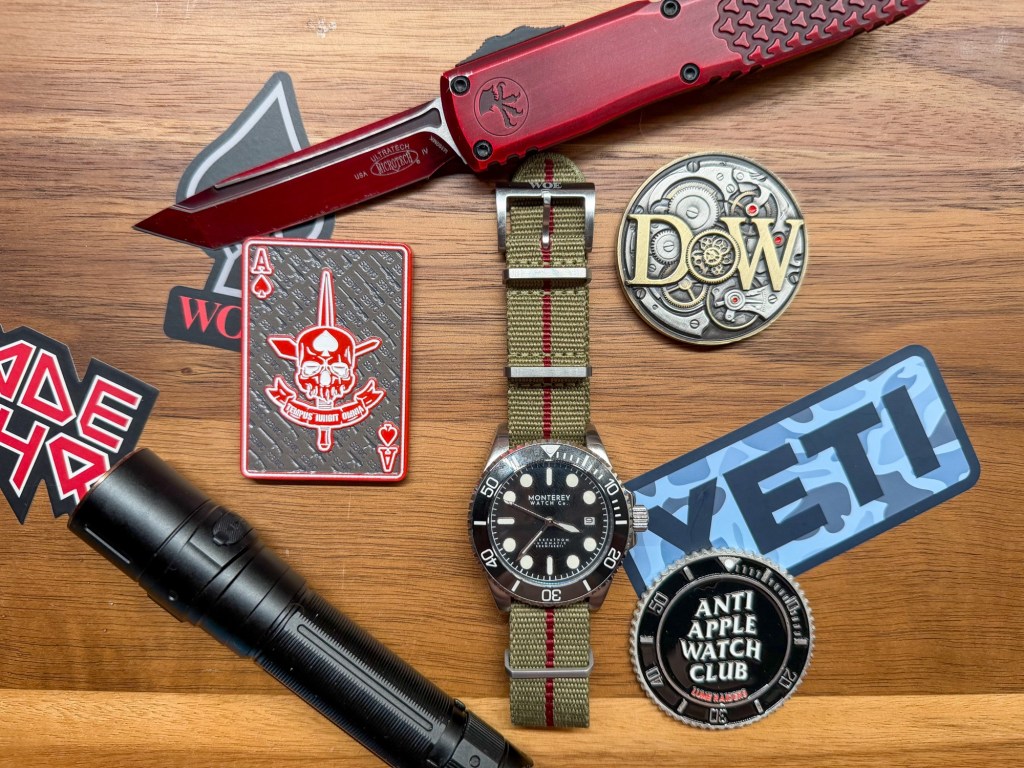
In this hobby there is no shortage of snobbery and bullshit. One of the biggest examples is the list of unwritten “rules” people have created about when, where, and how you are supposed to wear or collect watches. Some people take these rules way too far and treat them like laws everyone in the hobby has to follow.
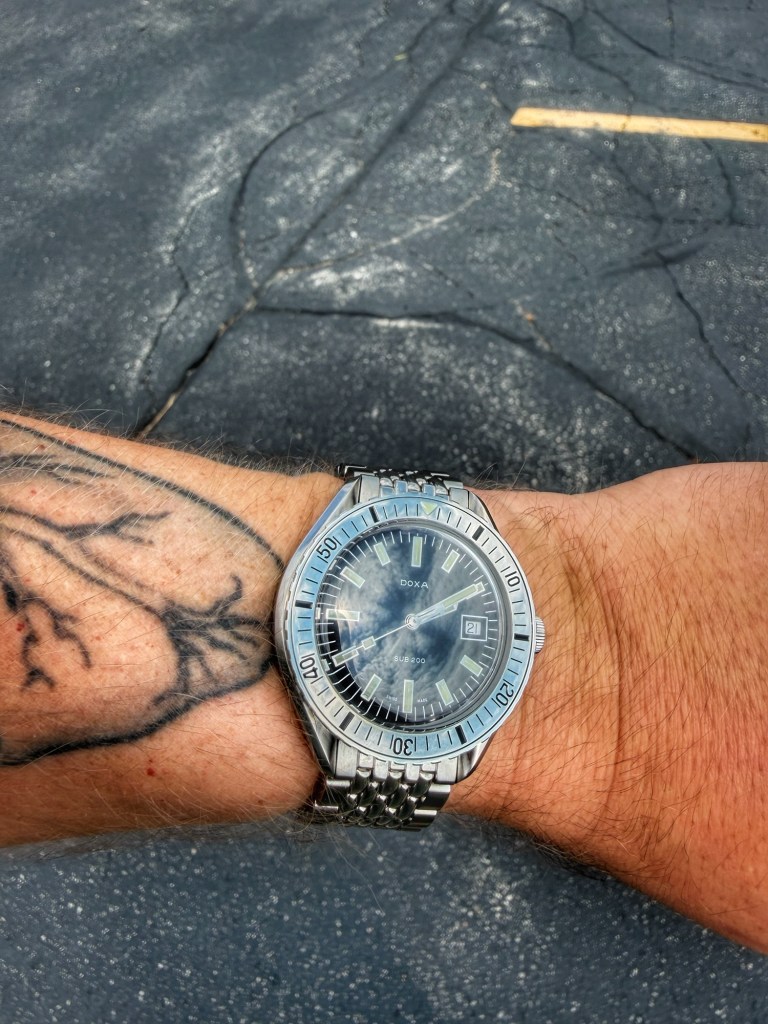
I have been into watches for about 10 years, and I am here to tell you that most of that is bullshit.
At the end of the day, your watch is your watch. Wear it how, when, and where you want. Have your own preferences. Build your own rules for your own collection. The problem starts when someone decides their preferences should become everyone else’s rules, or when they shame another person and make them feel like less of an enthusiast because they enjoy watches differently.
After looking through some of the “rules” that come up over and over again in the watch community, I narrowed this down to 10 that I routinely ignore. Some of them have a reasonable idea buried underneath them. Others, in my opinion, are complete bullshit.
Rule 1: “Never wear a dive watch on leather.”
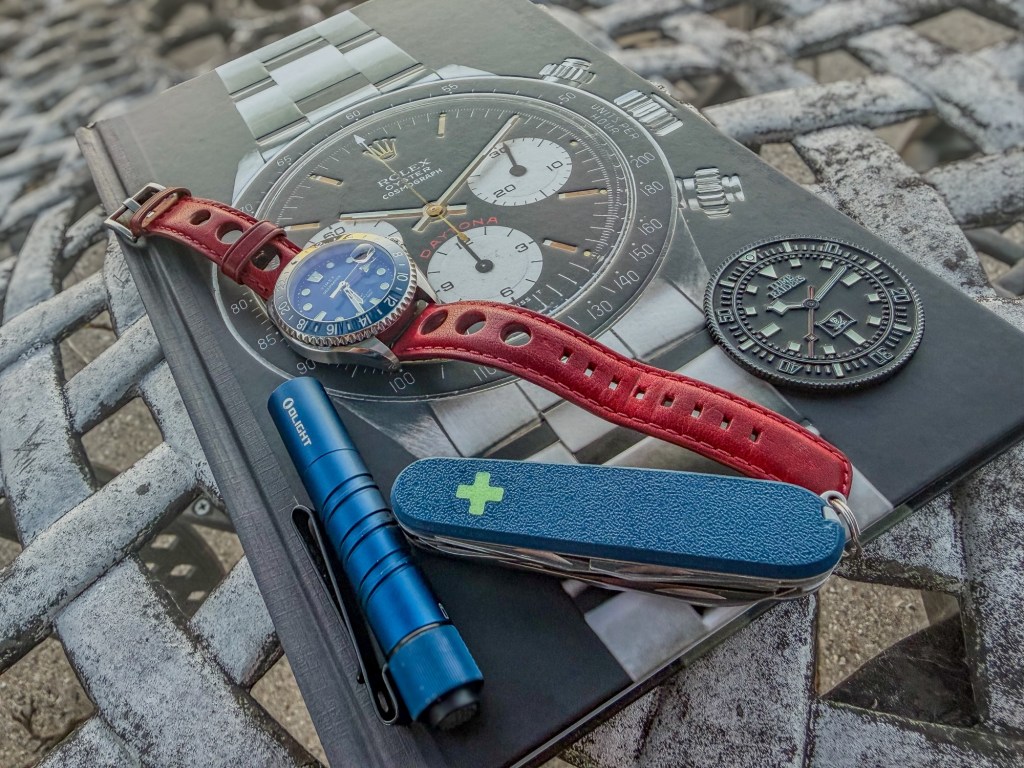
No. This is one of those rules that takes a practical consideration and turns it into an absolute.
Most people wearing dive watches are using them as everyday or casual watches. They are not diving every day, and most are not even getting in the water with them regularly. If a dive watch is being worn as a daily watch and it looks phenomenal on leather, put it on leather.
There is obviously a practical exception. If you are actually going swimming or diving, a bracelet, NATO, or rubber strap makes far more sense because repeated exposure to water can ruin ordinary leather. That is useful advice. Saying a dive watch should never be put on leather is not.
A dive watch does not stop being a dive watch because you put a brown leather strap on it while going to dinner.
Rule 2: “You can’t wear a dive or tool watch with a suit.”
Why?
Most people do not pay nearly as much attention to the watch on your wrist as watch enthusiasts think they do. Take a wedding, for example, where a lot of men are wearing suits. Smartwatches are now completely normal, although I have been invited to multiple weddings where the invitation specifically said no Apple Watches because they can be distracting.
To most non-enthusiasts, a dive watch or tool watch simply looks like a watch. They are not studying your wrist and identifying the difference between a diver, GMT, chronograph, world timer, or some other complication. A Rolex Submariner, Rolex GMT-Master II, Tudor Black Bay 58, and Black Bay Pro may be very different watches to us, but to a lot of people they are simply steel watches.
There are also people who wear suits every day because of their jobs while still having legitimate reasons to wear a tool watch. The clothes you are wearing do not suddenly change what you need from your watch.
If you love a traditional dress watch with a suit, wear one. I do too in the right situation. But sports and tool watches have become completely normal with modern business and formal clothing. Wear the watch that makes sense for you.
Rule 3: “Your watch is too big or too small for your wrist.”
According to whom?
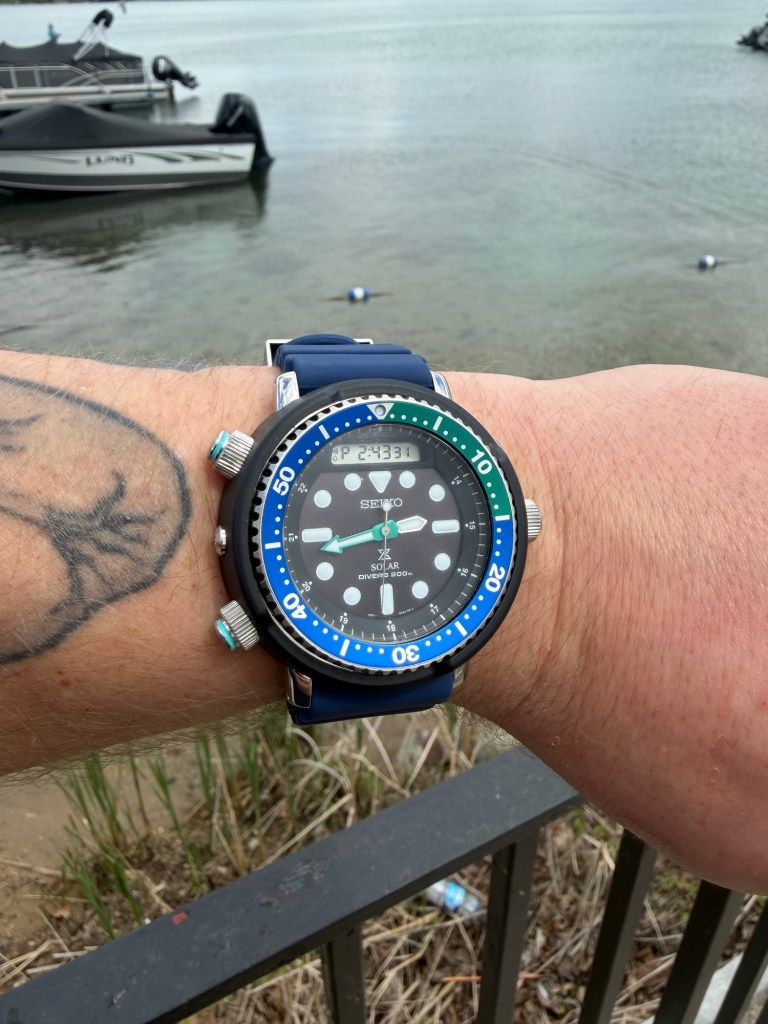
Is the watch comfortable? Can the person wearing it read it easily? Does it work for what they want from it? Maybe they want something understated and prefer a smaller watch. Maybe they are wearing a great vintage piece from an era when men’s watches were generally smaller. Maybe they simply like a huge watch.
Watch-size trends have changed so many times that trying to keep up with what is supposedly “correct” can make your head spin. I personally tend to stay around 38–42mm because those sizes work well for me, but that does not mean they are the correct sizes for everyone else.
Case diameter also does not tell the entire story. Lug-to-lug, thickness, dial opening, bezel width, case shape, and the shape of someone’s wrist all affect how a watch actually wears. A restrained larger watch can look better than a smaller watch with a loud, gaudy design.
Wear what is comfortable and what feels right to you. We spend far too much time trying to assign masculinity or meaning to a few millimeters of case diameter. It is a dumb argument.
Rule 4: “A serious enthusiast or collector needs mechanical watches.”
Why?
There are a million different watches out there, including mechanical, quartz, solar quartz, and meca-quartz options. Each has its own strengths.
Let’s be realistic about the quartz-versus-mechanical argument. Quartz is generally more accurate. Plain and simple. Mechanical watches are fascinating because of the engineering involved and all of those tiny components working together, but they also tend to cost more to purchase and maintain.
Being a watch enthusiast or collector means having a genuine appreciation for watches and timekeeping. The mechanism doing the timekeeping is a personal choice.
If you want to collect only mechanical watches, that is awesome. You found the part of the hobby that speaks to you. If you want an entire collection of quartz watches, more power to you. A lot of us fall somewhere in the middle. I certainly do. I can appreciate and enjoy both without needing to declare one side the only legitimate way to enjoy watches.
Rule 5: “Homages aren’t for real watch enthusiasts.”

Who made you the person who gets to decide what a “real” enthusiast is?
Almost every modern watch borrows design inspiration from somewhere. We are not getting completely new watch-design languages every year. There are also watches from Rolex, Omega, Patek Philippe, Audemars Piguet, and other high-end brands that the vast majority of people will never be able—or willing—to spend the money to own. Some older designs are also difficult to obtain because the originals are rare and extremely expensive.
I am fine with homages as long as that is actually what they are. If a watch borrows recognizable design elements but changes enough to have some identity of its own, I have no problem with it. Where I draw the line is a 1:1 copy with another name slapped on the dial, or an outright counterfeit pretending to be the original.
An enthusiast is someone who appreciates watches and timekeeping as a hobby. Just because you dislike what someone else collects does not give you the authority to tell them they are not a real enthusiast.
Then there is the classic advice: “Just save up for the real thing.” I understand the sentiment in the right situation. If you are about to spend $500 on a near 1:1 copy, there may be more original watches at that price that are worth considering. Likewise, if the watch you truly want is realistically within reach and you keep buying substitutes instead, saving may make sense.
But that argument gets ridiculous when the price difference is enormous. Telling someone not to buy something like a Seiko SSC965 Speedtimer or a Monterey Watch Co. Moonstream because they borrow design cues associated with the Rolex Daytona ignores reality. We are talking about roughly $725 or $250 compared with a Daytona starting at $16,900 MSRP.
I would love to own a Daytona. Realistically, I may never buy one unless I am in a very different financial position later in life. In the meantime, I can own legitimate watches with similar design elements that I enjoy, that do the job, and that exist at prices that make sense for my life.
Rule 6: “Every collection needs a dress watch, diver, GMT, and chronograph.”
No, it doesn’t.
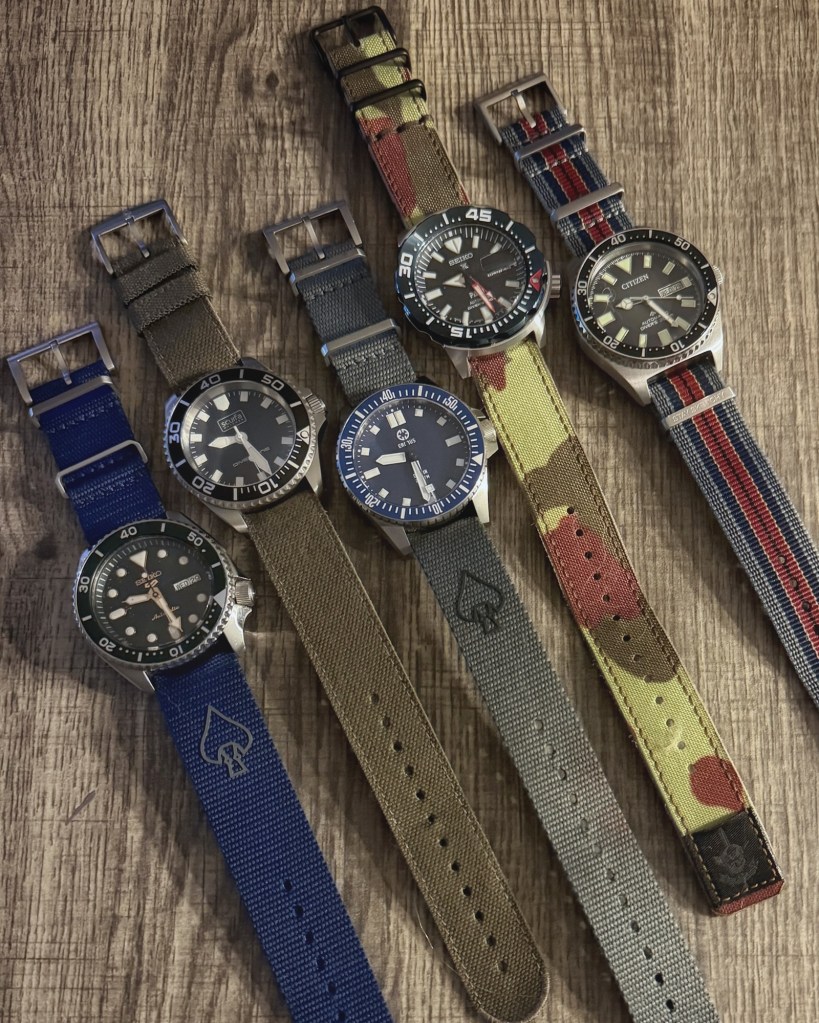
Let’s be real: this can turn into consumerism disguised as enthusiast advice pretty quickly. Most people do not technically need a single watch, let alone multiple watches filling predetermined categories.
A collection should be based on what the person collecting actually enjoys, not on some perceived requirement to fill every slot in a perfectly balanced watch box.
There is a reason I own one dress watch that cost less than $200. I wear it maybe once or twice a year. Even on those occasions, I could honestly wear a different watch and almost nothing would change. Spending thousands of dollars to “upgrade” that category simply because a proper collection supposedly needs a serious dress watch would make no sense for me.
A collection does not need anything other than watches the owner wants to collect. If you are a one-watch person and that one watch covers everything you want or need, you are good. If you own ten divers because divers are what you love, you do not need to buy a dress watch just to make somebody on the internet think your collection is complete.
Rule 7: “You shouldn’t own too many watches from the same brand.”
This rule has never made much sense to me. If you find a brand that makes everything you like, buy what you want from that brand.
That could be Timex, Seiko, Rolex, Patek Philippe, or anyone else. If you trust the company, connect with its design language, and consistently find watches you enjoy, there is nothing wrong with building most—or even all—of your collection around it. Plenty of collectors fall in love with one specific manufacturer and make that brand the focus of their entire collection.
I personally like variety. I own and have owned watches from large brands such as Timex and Seiko, microbrands including Zelos, Brigade, Henry Archer, and Monterey Watch Co., and luxury brands including Tudor, IWC, and Omega. Experiencing how different brands approach watches is one of the things I enjoy about the hobby.
At the same time, I could easily see Seiko or Timex providing almost everything I want. Tudor could do the same at a different price point: a Pelagos or Black Bay 58 as a diver, Black Bay Pro as a GMT, Black Bay Chrono as a chronograph, and a 1926 or Royal for something dressier.
There is nothing wrong with either side of that coin. I think I get more out of the hobby by experiencing different brands, but that is my preference—not a requirement everyone else needs to follow.
Rule 8: “Don’t buy affordable watches—save for one luxury watch.”
Does anyone else notice how quickly some of these rules contradict each other?
Rule 6 tells you that you supposedly need all these different types of watches, and then another piece of enthusiast wisdom tells you not to buy affordable watches and instead save for one luxury watch. Which is it?
More importantly, why does anyone have to buy luxury at all?
There are great watches at almost every price point in this hobby. There is absolutely nothing wrong with buying Rolex, Tudor, Omega, or any other luxury brand because you genuinely appreciate the watch. I have owned luxury watches myself and will almost certainly own more. The problem is the idea that the logo somehow makes you more of an enthusiast, gives you more credibility, or places you above the person wearing a $200 watch. It doesn’t.
I have seen this firsthand through watch content. I am friendly with another Instagram page whose posts feature mostly luxury brands such as Rolex, Tudor, and Omega. In a recent conversation, we compared engagement. His posts were generally seeing around 10–30 likes and interactions, while my page—featuring a lot of Timex, Brigade, Monterey Watch Co., Seiko, and similarly priced brands—was often seeing around 30–85, along with stronger recent growth.
That does not prove affordable watches perform better on social media; there are far too many variables involved to make that claim. What it does demonstrate is that an expensive logo does not automatically make the content more interesting or make the person behind it more successful. The watch itself cannot do the work for you.
“Save for what you actually want” can be excellent advice. “Save for luxury because luxury is what a serious enthusiast is supposed to want” is not.
Buy what you can afford. Wear it. Enjoy it.
Rule 9: “A collection needs variety; don’t own several watches that do the same thing.”
It doesn’t.
A collection needs watches that the collector enjoys. It can be dive watches, chronographs, dress watches, GADA watches, or whatever else gets you excited about the hobby.
Two watches can technically do the same job and still provide completely different experiences through their designs, movements, materials, histories, brands, colors, and proportions. Someone can build an entire collection around Seiko divers, vintage military watches, racing chronographs, or any other narrow category and have a fantastic collection.
A collection does not have to be a sampling of everything. It can be a deep exploration of one thing.
If one style of watch is what does it for you, collect that.
Rule 10: “You need to wear every watch you own.”
This is another rule where I understand the sentiment, but it is not a rule.
You do not need to wear everything you own equally—or even regularly. Going strictly from my own experience, I have watches with stories attached to them. Some were gifts. Some remind me of a specific period of my life. They are sentimental pieces, and whether they get a lot of wrist time has very little to do with why they remain in my collection.
I also have watches that simply do not fit my everyday life and only get worn now and then. That does not mean they need to go.
Now, if I have a normal collection piece with no sentimental attachment that fits my everyday life and I still repeatedly choose everything else over it, I pay attention to that. For me, that is usually a sign that it may be time to move the watch along and make room for something else.
But that is a personal collection-management rule, not something I expect everyone else to follow. If you own a watch that you only want to wear for special occasions, there is nothing wrong with that. If you collect vintage watches because you enjoy researching and preserving them more than wearing them, there is nothing wrong with that either.
Wrist time is one way to enjoy a watch. It is not the only way.
Final Thoughts
If there is one thing I want people to take away from this, it is that there is a huge difference between a preference and a rule.
You can prefer divers on rubber. You can think 36mm is the perfect watch size. You can collect nothing but mechanical watches, refuse to own a homage, build a perfectly balanced five-watch collection, or save every dollar of your watch budget for one Rolex. There is absolutely nothing wrong with any of that.
The problem starts when “this is how I enjoy watches” becomes “this is how you are supposed to enjoy watches.”
This hobby should be about an appreciation for watches, the stories attached to them, the engineering behind them, the places we wear them, and whatever else keeps us interested. It should not be about passing some imaginary test created by strangers on the internet.
I have my own rules for my collection. You probably have yours. Those personal rules can be useful because they help us decide what belongs in our watch boxes and how we spend our money. They stop being useful when we try to force them onto everyone else.
So wear the diver on leather. Wear the tool watch with the suit. Buy the quartz watch. Build a box full of Seikos. Own one watch or own twenty. Save for the luxury piece if that is what you genuinely want—or buy the $200 watch that makes you smile every time you look at your wrist.
Your watch is your watch. Your collection is your collection.
Enjoy the damn thing.


Leave a Reply