LAND DIVER SOCIETY
As we get closer to Christmas, there will be plenty of lists suggesting all kinds of watches to buy for the holidays. I have no doubt many of them will have some great recommendations. Here at Land Diver Society, we have been discussing whether we wanted to throw our names into the hat with a list of our own. We decided we did, but wanted to do it a little differently.
We want to share five watches under $900, strictly from independent and microbrands. Every watch on this list has been through our hands at some point this year. They are all pieces we have enjoyed, and we feel each one is well worth the money.
The Criteria
- Under $900
- Microbrands or independent brands only
- Not a direct homage of another watch. It can borrow design elements, but it needs to do enough of its own thing to be unique.
- One watch per brand
- At least 100 meters of water resistance
- Quartz or automatic movement
- 20mm or 22mm lug width
Every watch in our top five meets these criteria. Only one is not a diver or dive-style watch. There are plenty of other great watches that fit the bill, but these are my personal picks for the year—the ones I have enjoyed most. At the end, I’ve also included honorable mentions: watches we think are awesome but that didn’t quite make the top five for one reason or another.
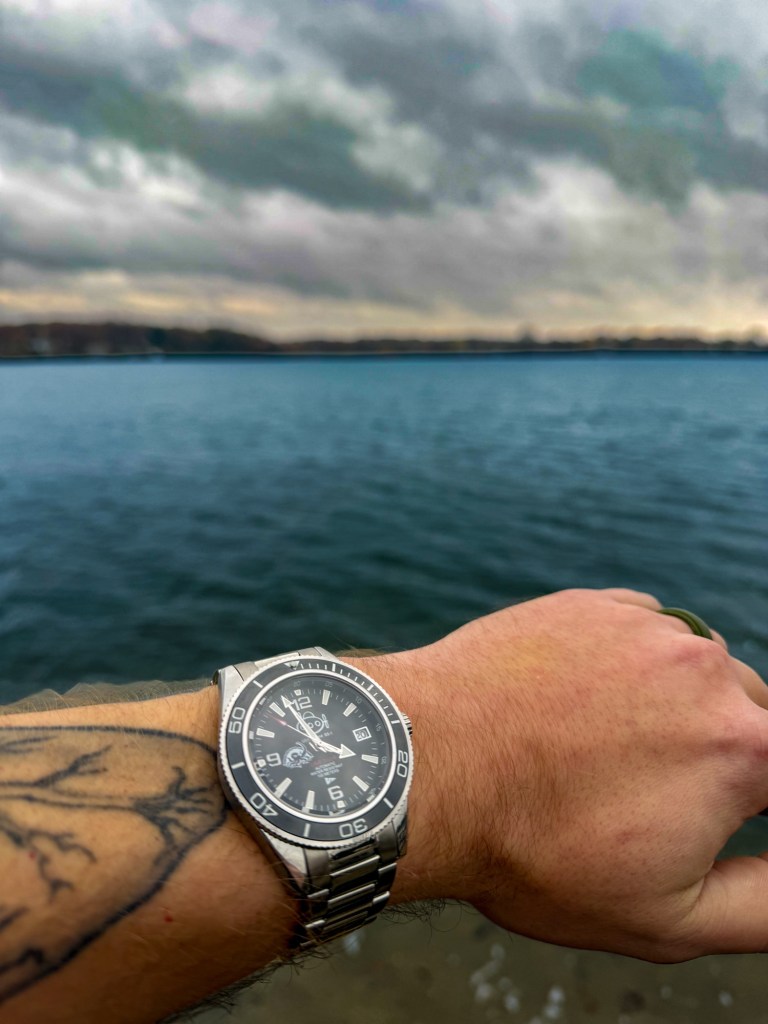
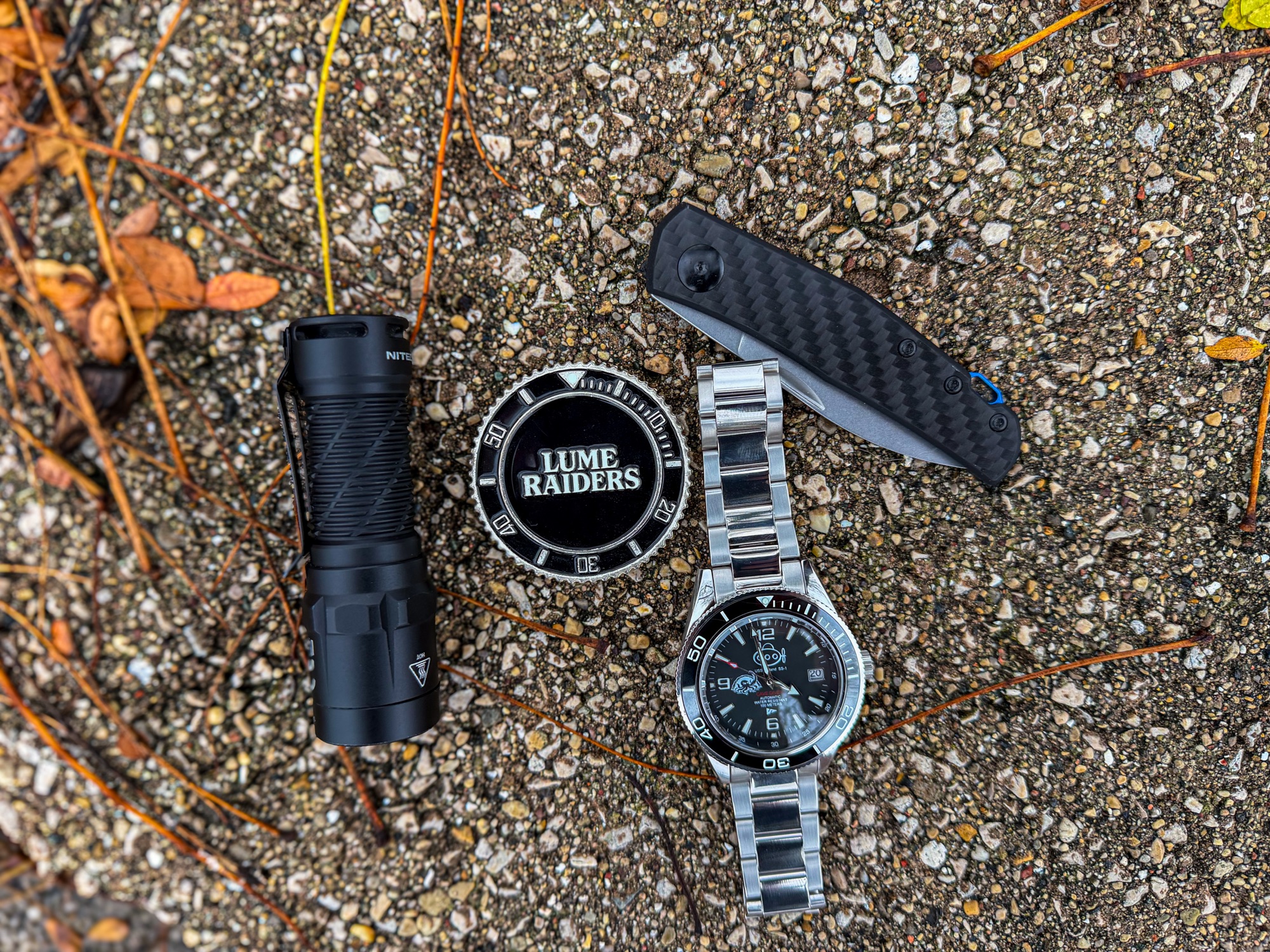
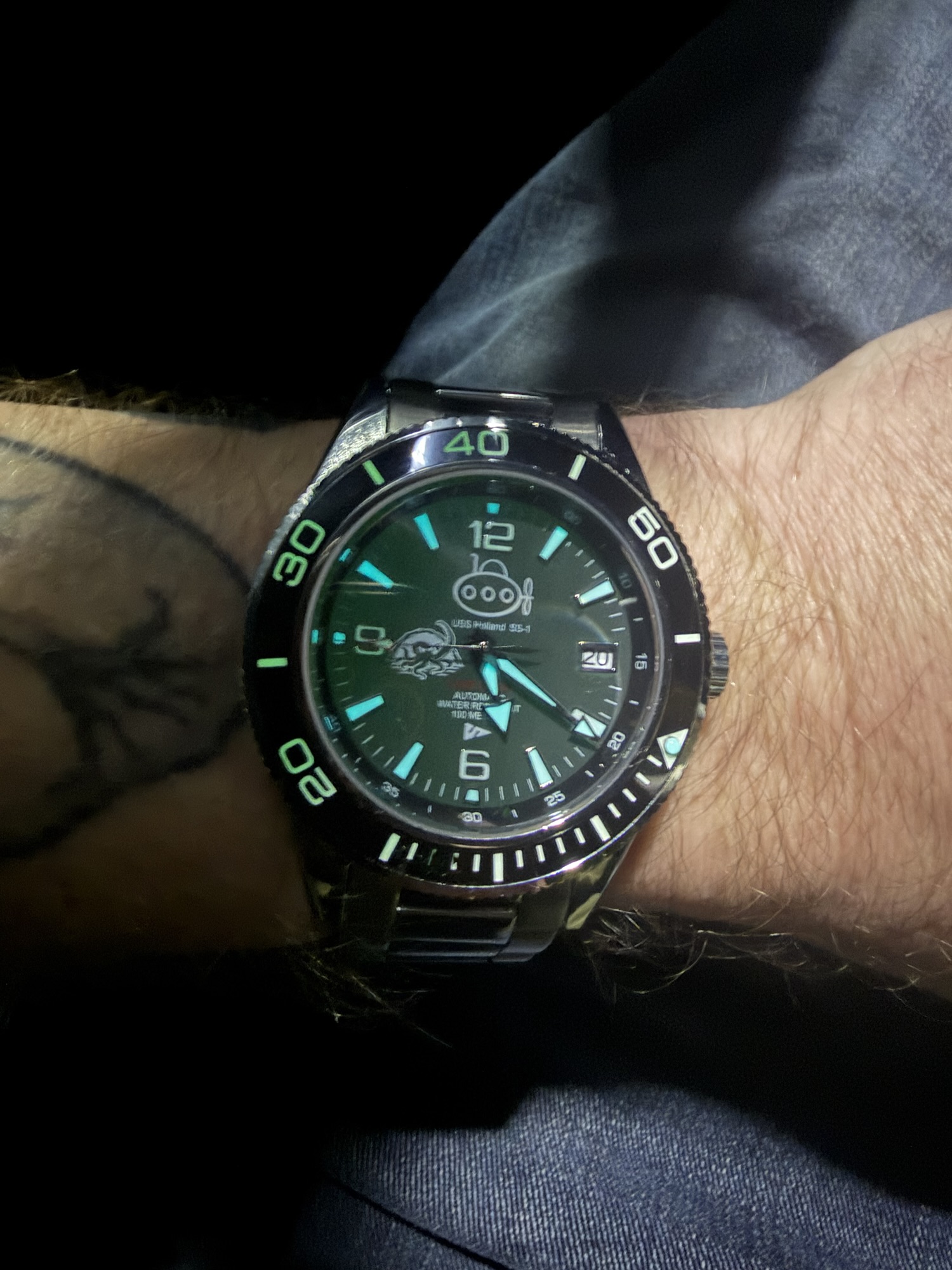
Watch 1 — Tin Can Timepieces Cave Diver SS-1
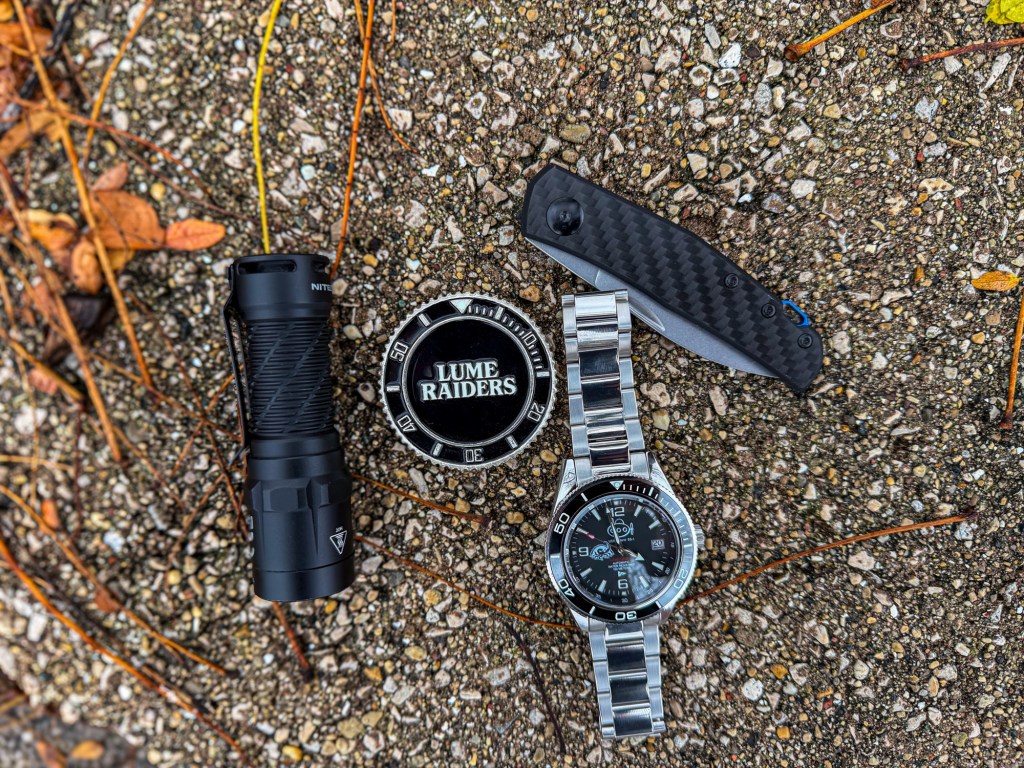
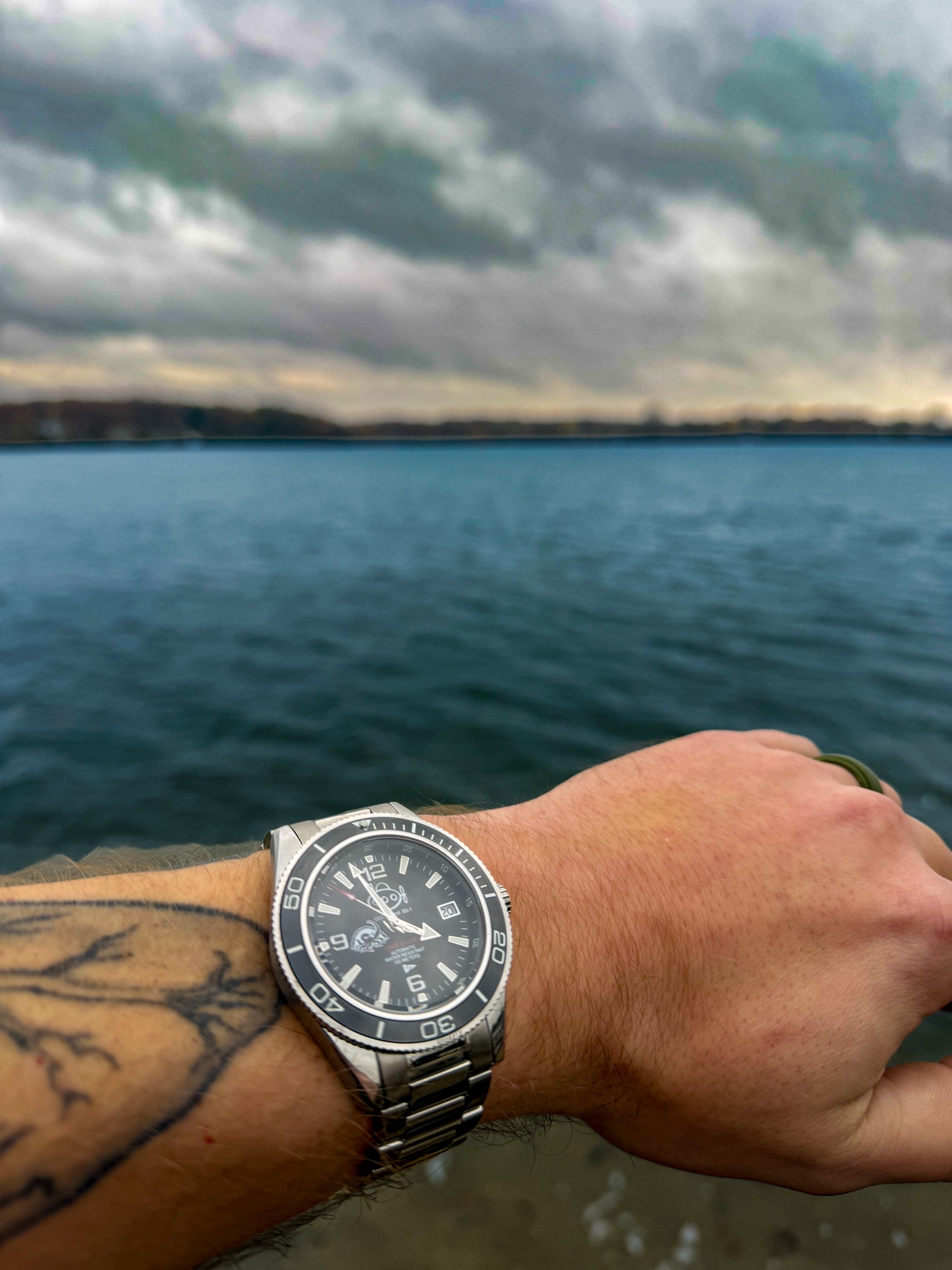
The Cave Diver SS-1 is a watch I had seen quite a few people showing online, and I always thought it looked like a fun piece. It has a kraken and a submarine on the dial, with a bit of Longines HydroConquest, Omega Seamaster, and Rolex Submariner all mashed together. Somehow, it works.
The watch comes in at 41mm, with a 49.9mm lug-to-lug, 13.8mm thickness, 20mm lug width, 100 meters of water resistance, a sapphire crystal, and what Tin Can lists as its own special lume. It wears well. The thickness might sound like a lot, and it is on the thicker side, but it is surprisingly unnoticeable on the wrist. The bracelet is okay—not amazing, but not bad either—especially when you consider that this watch comes in under $400.
Versatility is something this watch does extremely well. Wear it as a daily piece, to work, or out to dinner, and it will fit right in. For the price, it is a package that is hard to beat. I call it a dive-style watch because of its 100 meters of water resistance, and for this particular watch, that is perfectly okay. It will handle what most people actually need it to do.
The movement in my example is very well regulated, running at +5 seconds a day, which is astonishing at this price. To me, this is what the Seiko 5 dive-style watches should be. Seeing a small company come in with something that, in my opinion, blows them away at a similar or lower price is impressive. If you want the looks and a good punch for your money, this is your piece.
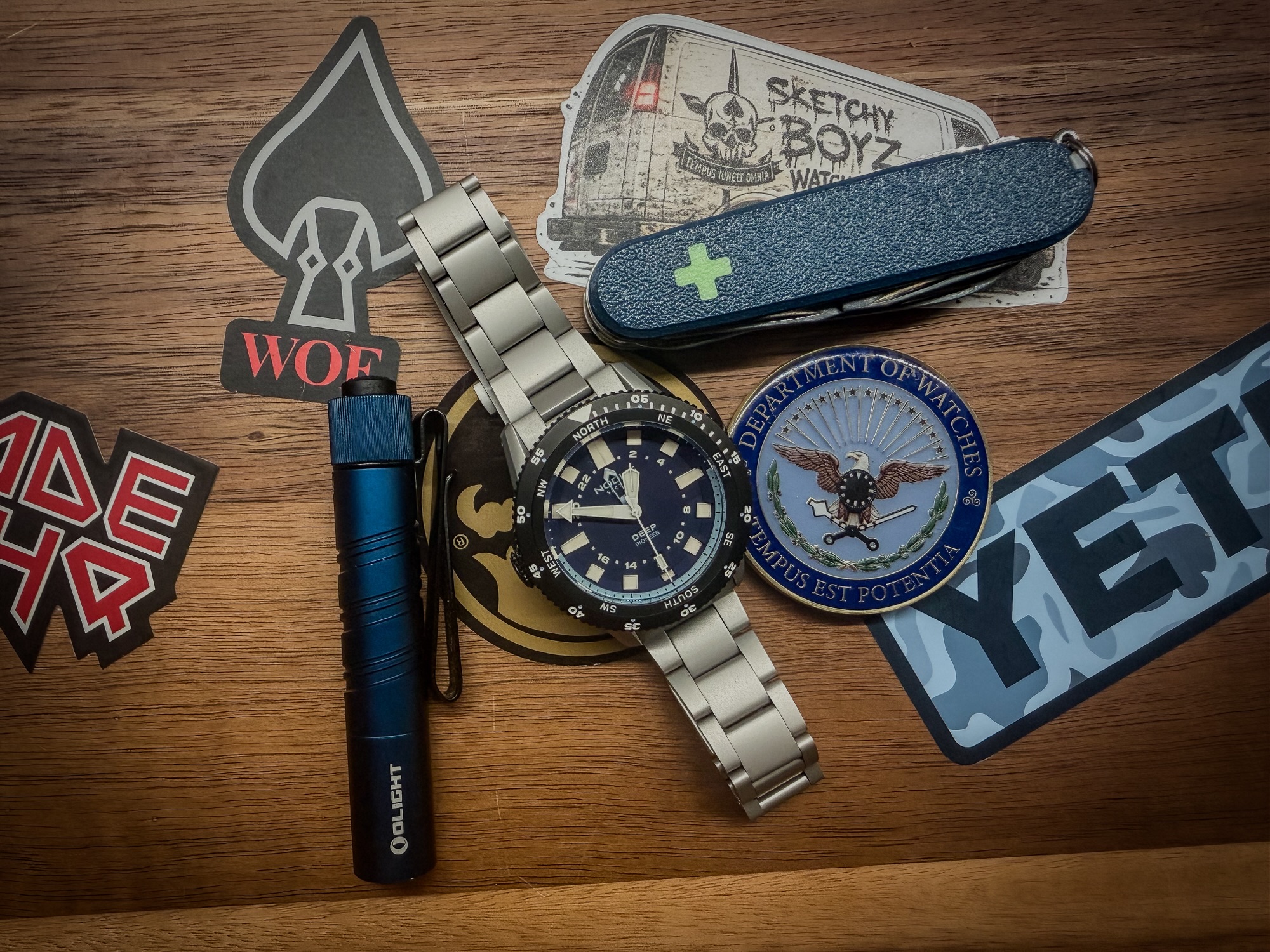
Watch 2 — Nodus Sector Deep Pioneer
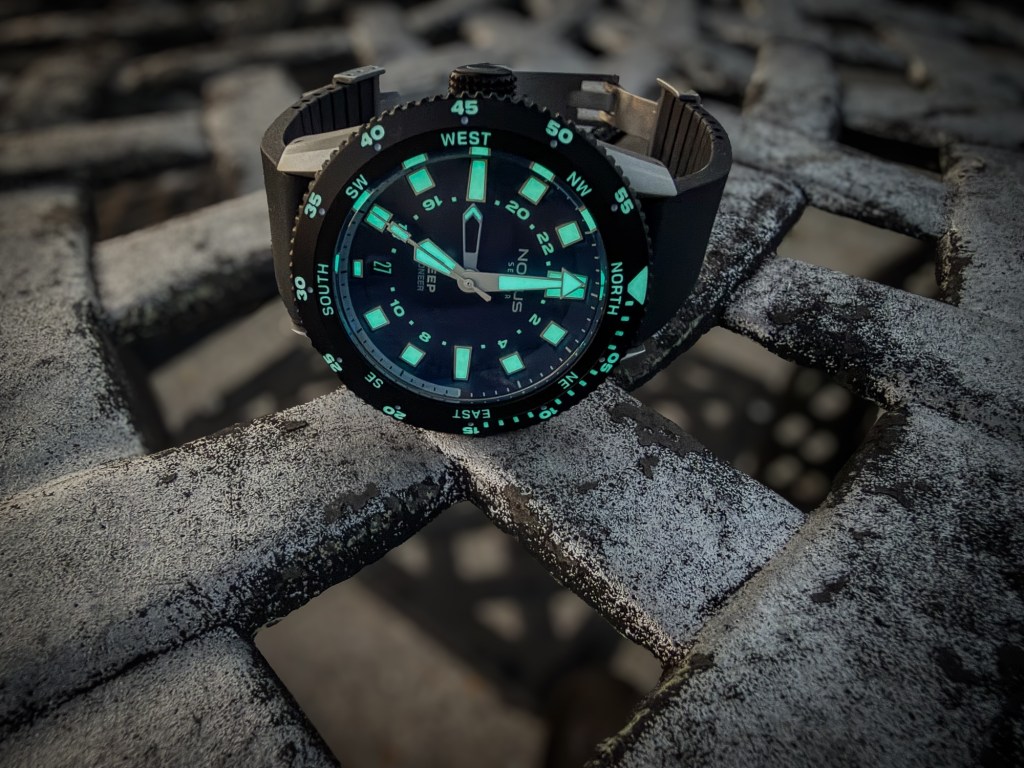
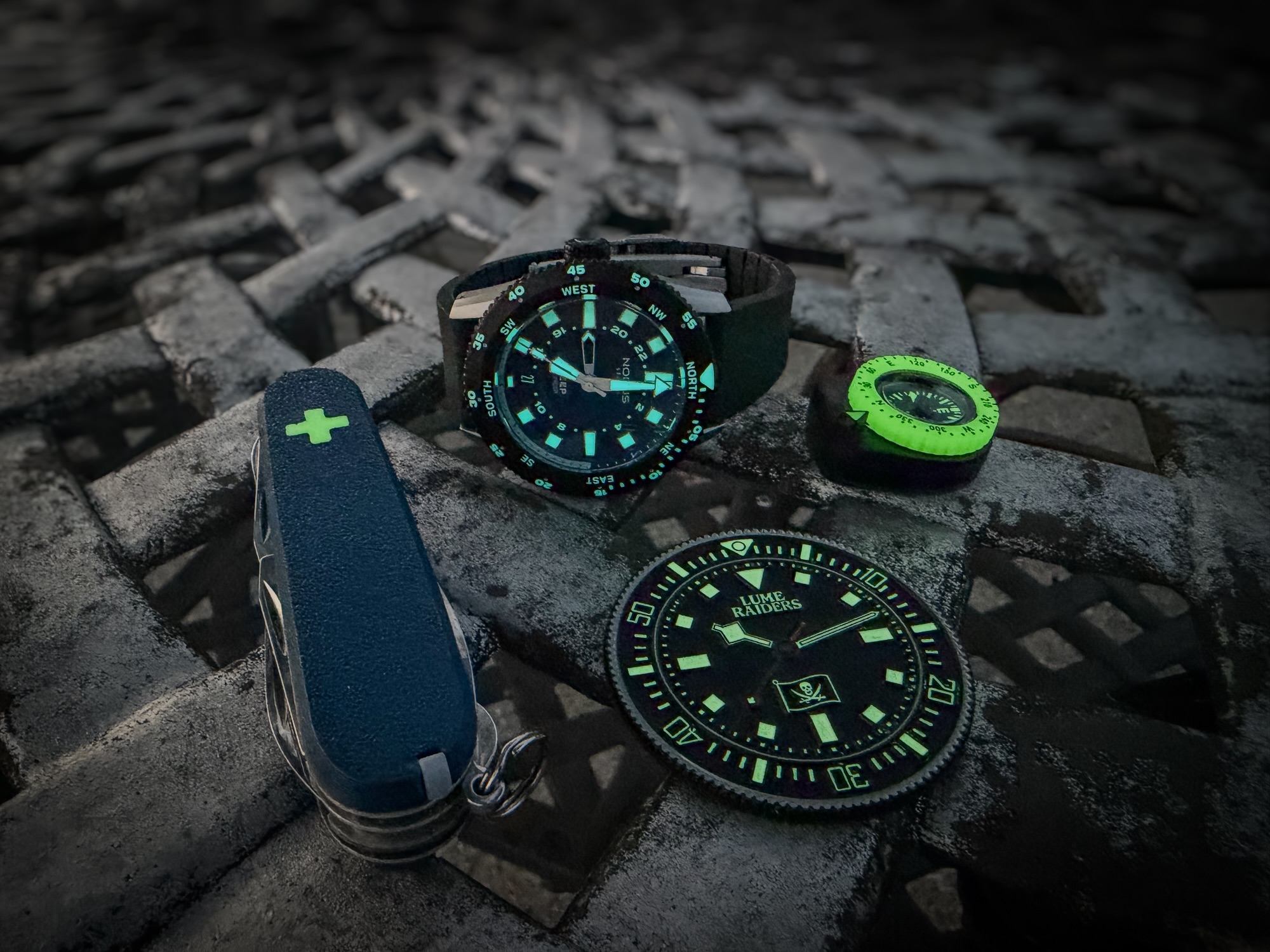
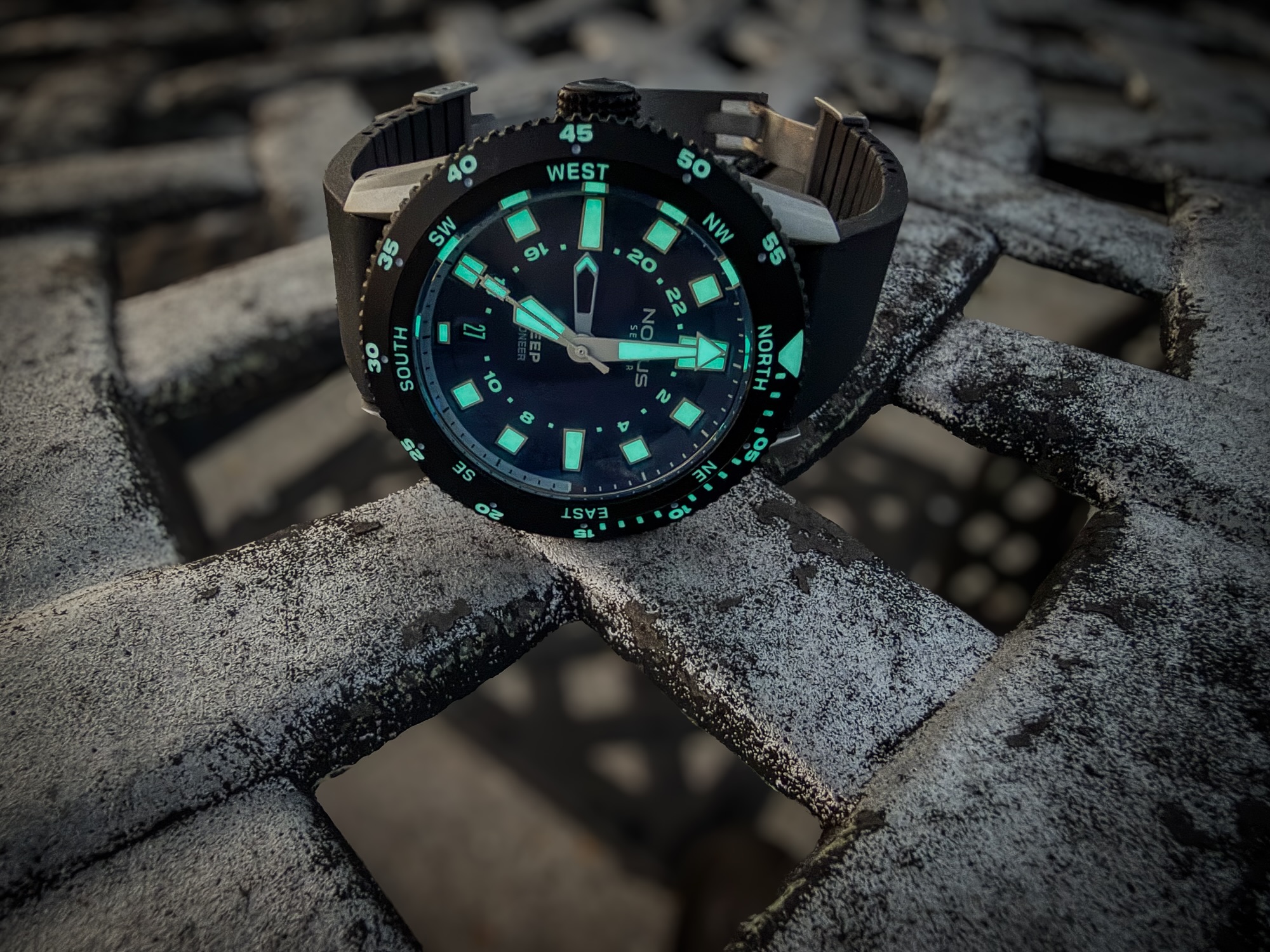
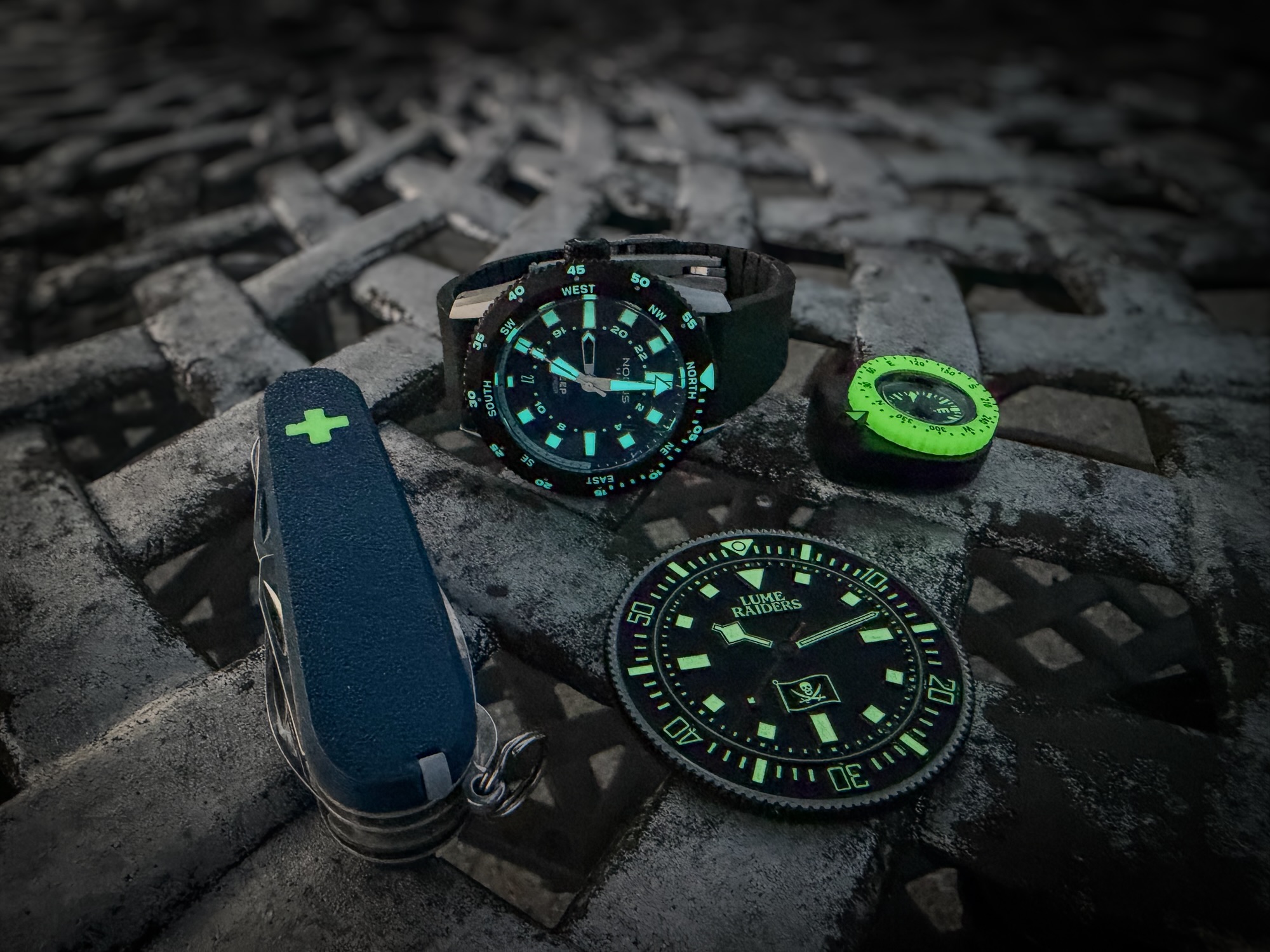
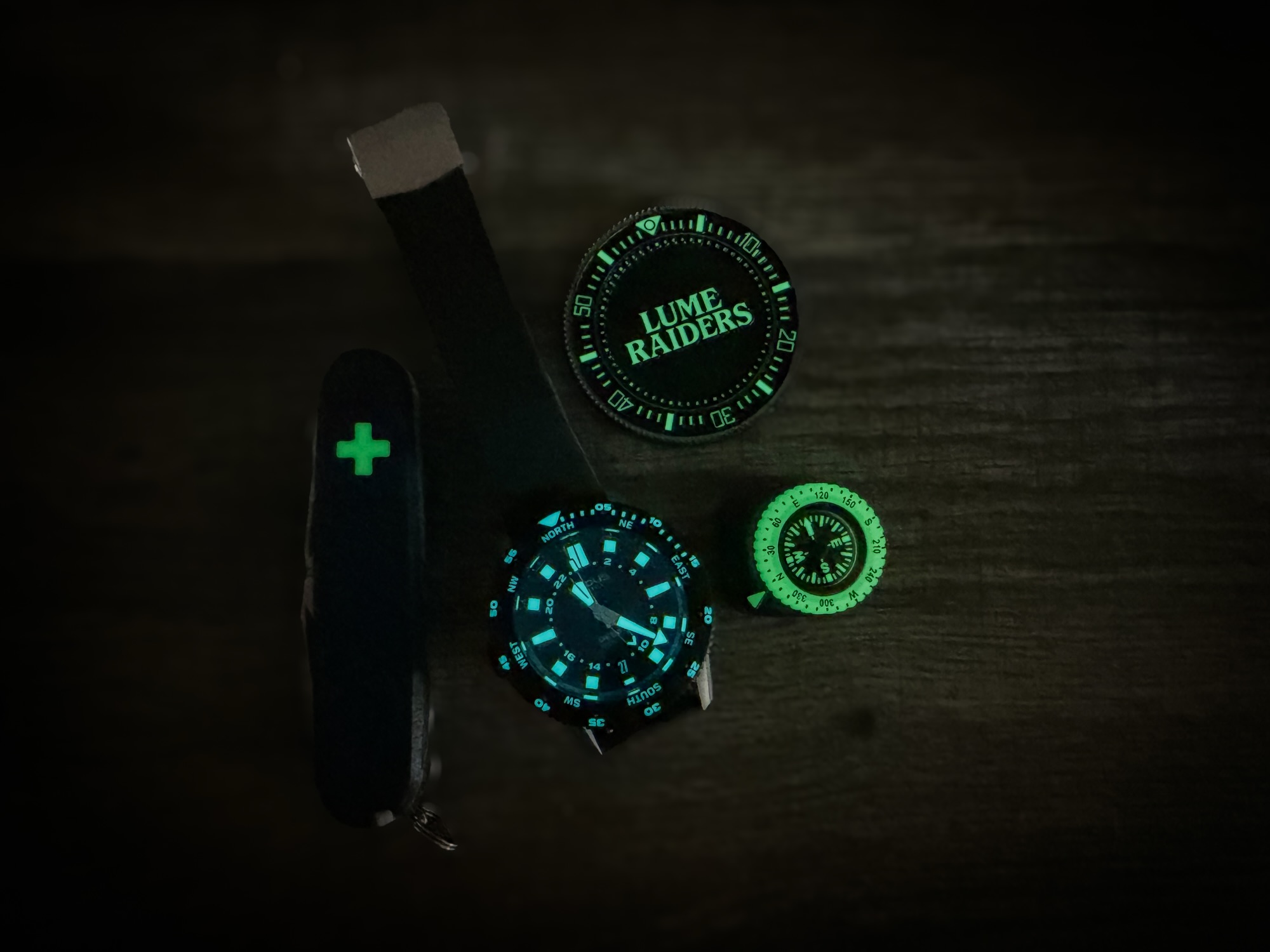
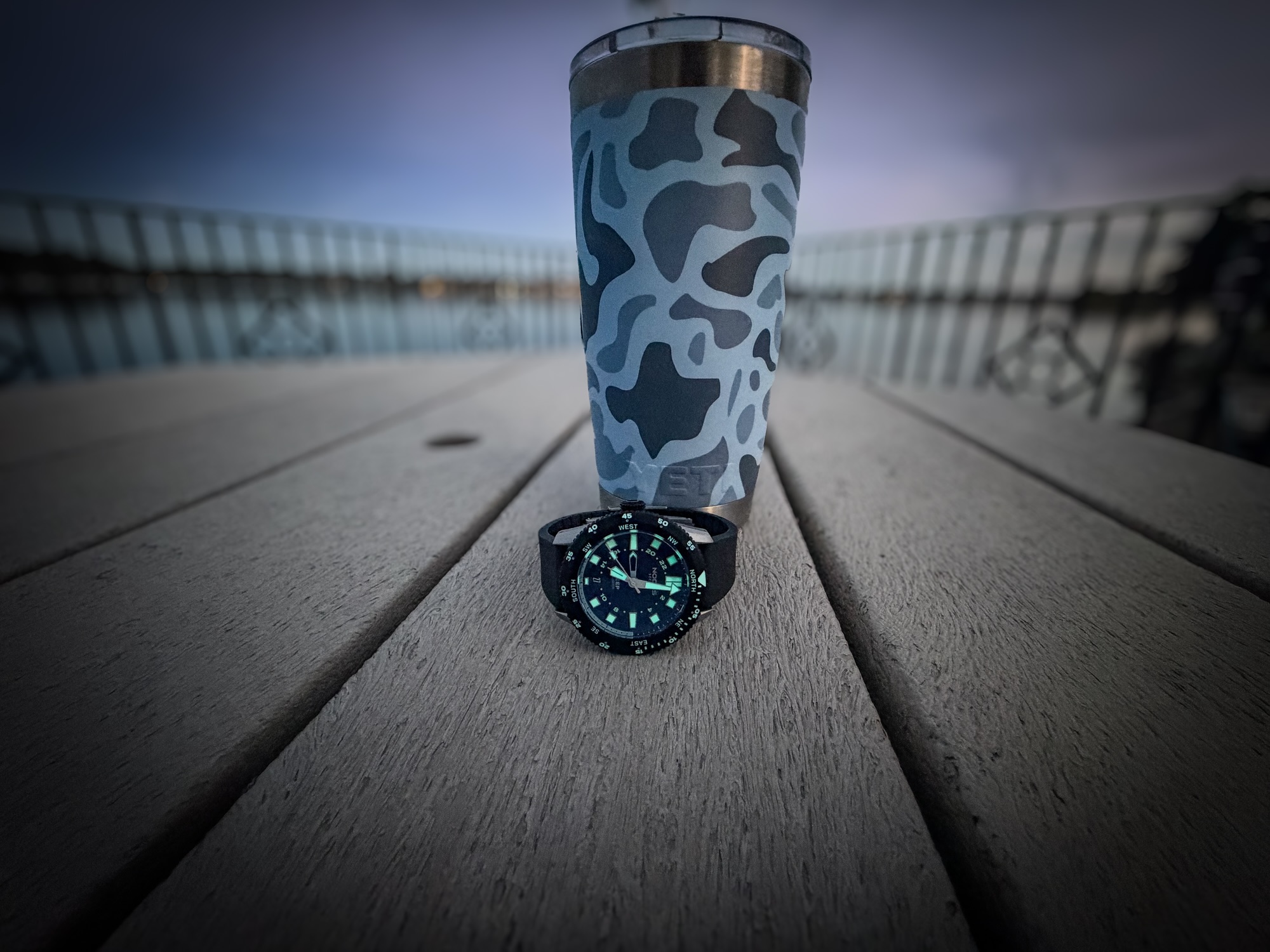
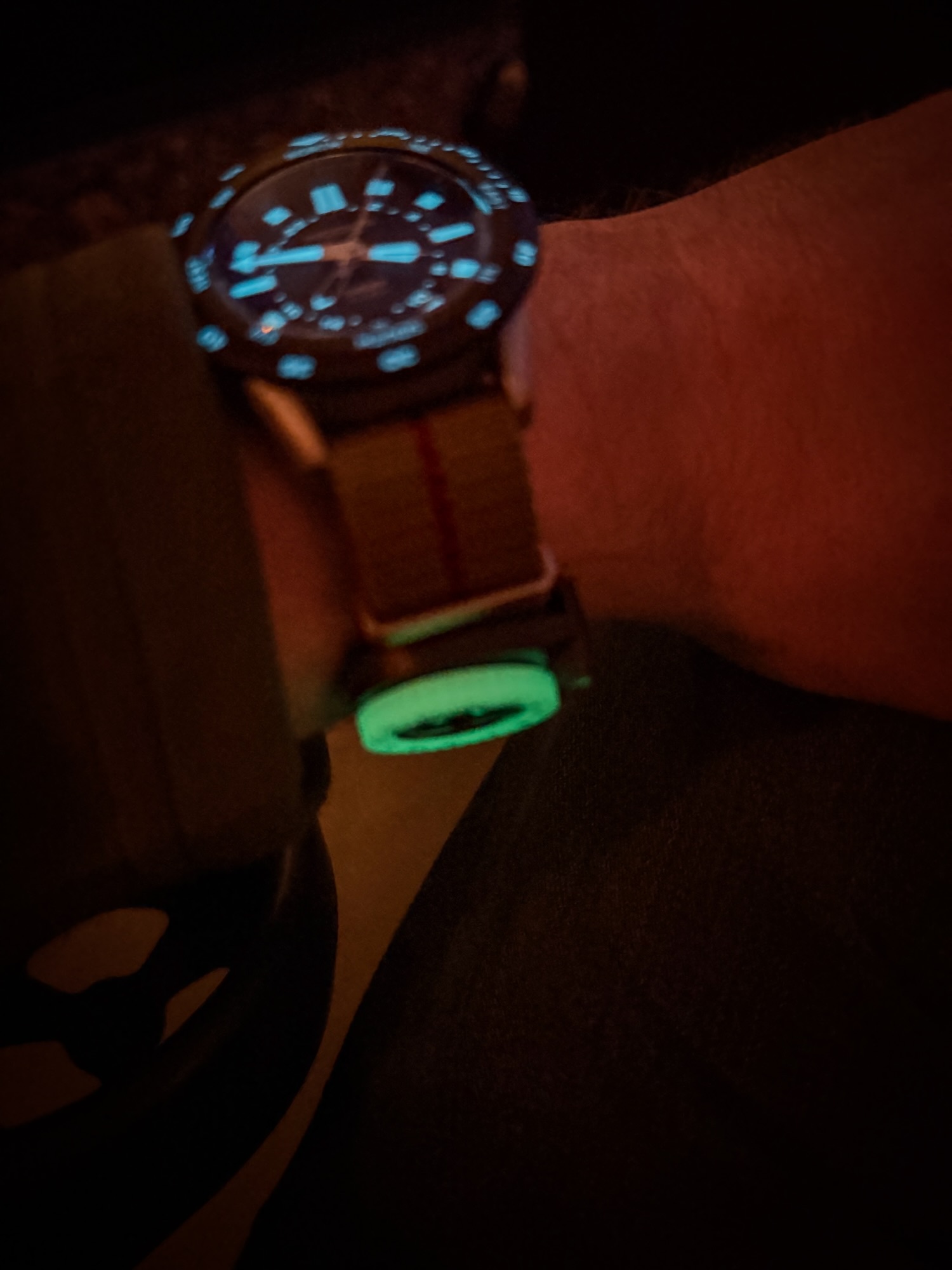
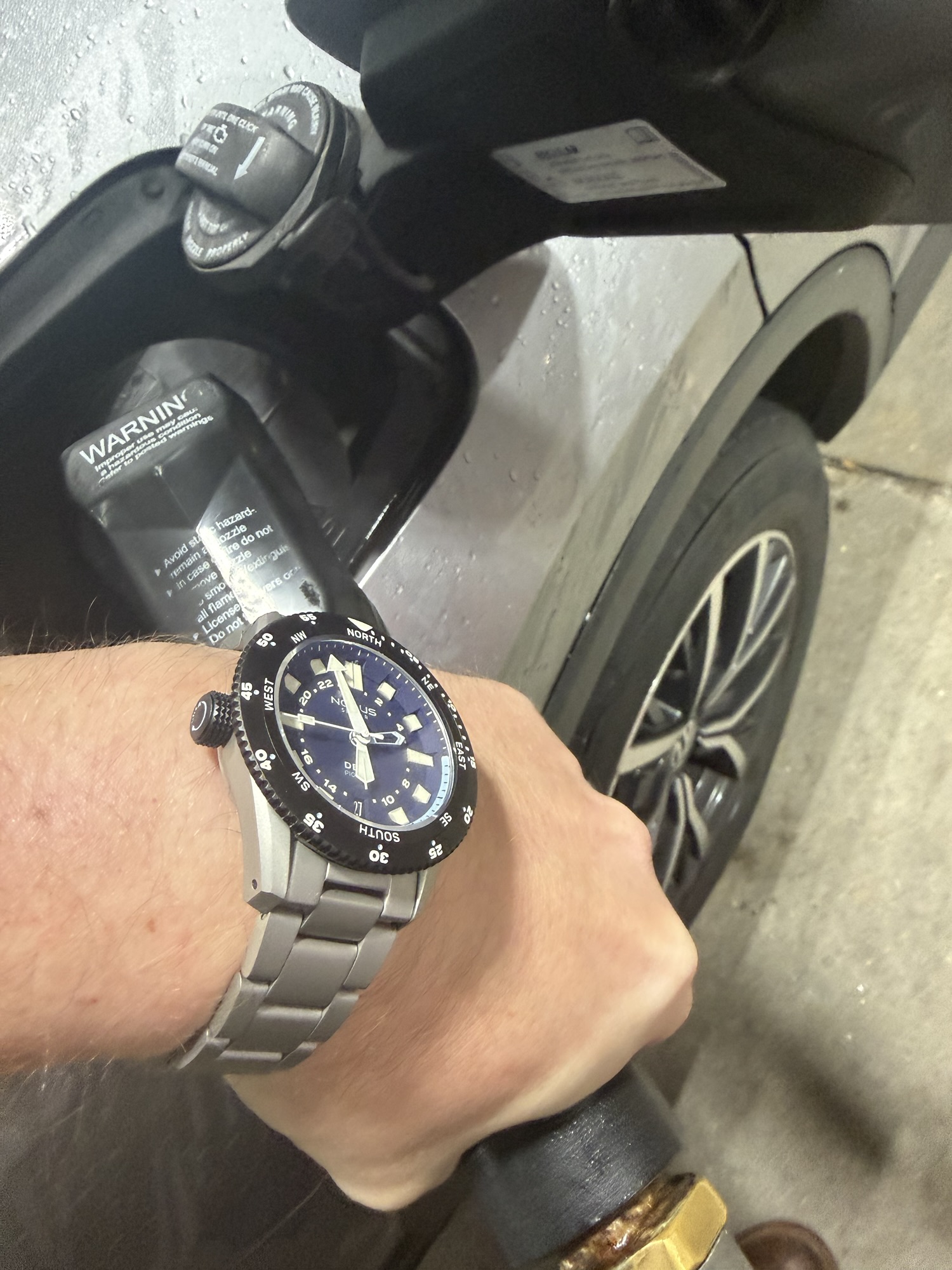
This is a watch I let go, and I really shouldn’t have. A 38mm case with a 42mm bezel, 13.6mm thickness, 47mm lug-to-lug, 20mm lug width, sapphire crystal, BGW9 lume, 500 meters of water resistance, GMT functionality, and compass functionality on the bezel all add up to an amazing combination. It is one of the most useful watches I have handled.
Putting a 42mm bezel on a 38mm case is a brilliant idea. This watch is a tool first and foremost, and the oversized bezel makes it ungodly easy to operate, whether your hands are wet, gloved, or otherwise compromised. Despite sounding like a hefty tool—and it absolutely is one—it doesn’t necessarily feel that way on the wrist. It wears extremely well, stays comfortable, and is easy to read in just about any circumstance. The movement works as it should and is regulated well.
The main reason I let it go was that, at the time, I wanted a primary daily watch that could blend in a little more. This is where the Pioneer struggles. Its case finishing and design scream tool watch, which wasn’t what I wanted for that role. Looking back, that was flawed thinking. I had room to keep this and add a more conventional daily watch, and I should have done exactly that.
At $675, this watch will not do you wrong. Is it a traditional-looking diver? Not at all, and that’s okay. If you want a pure tool watch, this is it.

Watch 3 — Ratio Street Racer Chronograph
Ratio is a brand I have mixed feelings about. A good portion of its lineup consists of pretty straightforward homages that, to me, do little more than copy a design and change the name on the dial. I’ve owned a few of those models, and they are built well, but they aren’t my thing. They aren’t what I think an homage should be.
Fast-forward to the Street Racer Chronograph. This two-register chronograph comes in at $199 and features a 42mm case, 13mm thickness, 49mm lug-to-lug, 200 meters of water resistance, BGW9 lume, and a VK64 meca-quartz movement. Overall, it is a good-looking sports chronograph. The name still makes me laugh every time I hear it because, honestly, it’s one of the more ridiculous names we’ve seen in a while.
Unlike some of Ratio’s other offerings, this is not a one-to-one homage. It does enough to establish its own styling and become a desirable chronograph in its own right. It is comfortable, easy to read, accurate, and very much a set-it-and-forget-it watch thanks to the VK64. On a budget, I think it kills just about anything in its price range.
The one real flaw is the bracelet. It isn’t great. But remember, we’re talking about a watch under $200, so the bracelet is acceptable for the money. Put it on another strap, and I think the experience improves in spades. If chronographs are your thing, you’re on a budget, and you want something other than a Sea-Gull movement chronograph, you should really take a look at this one.
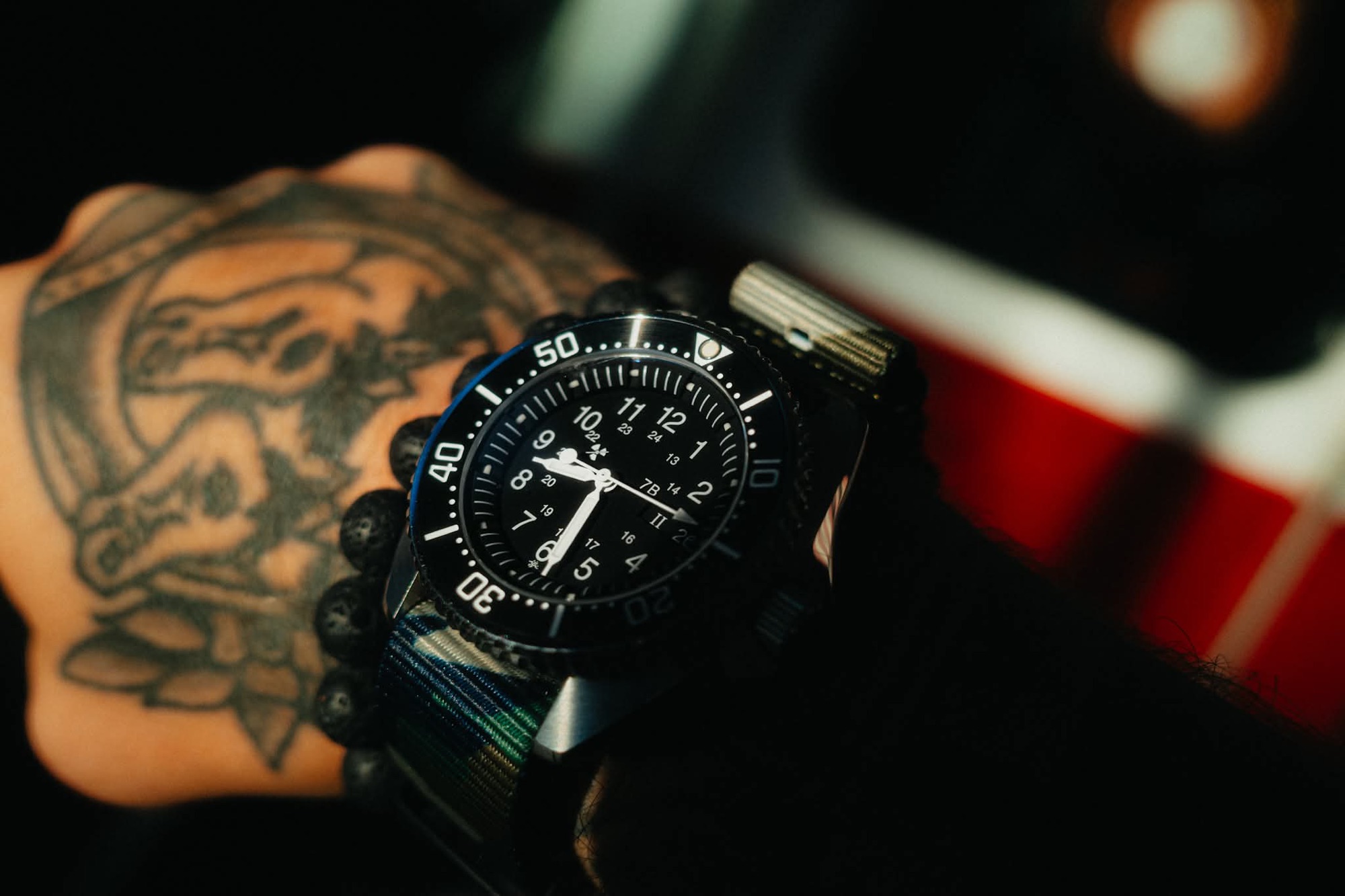
Watch 4 — Tornek-Rayville Type 7B Blakjak
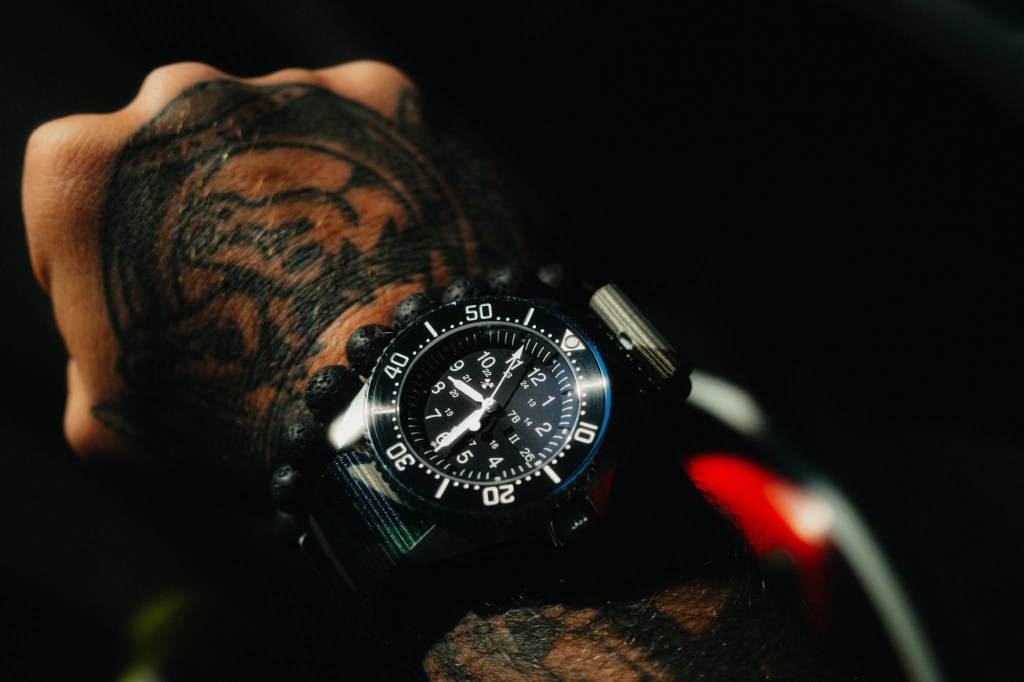
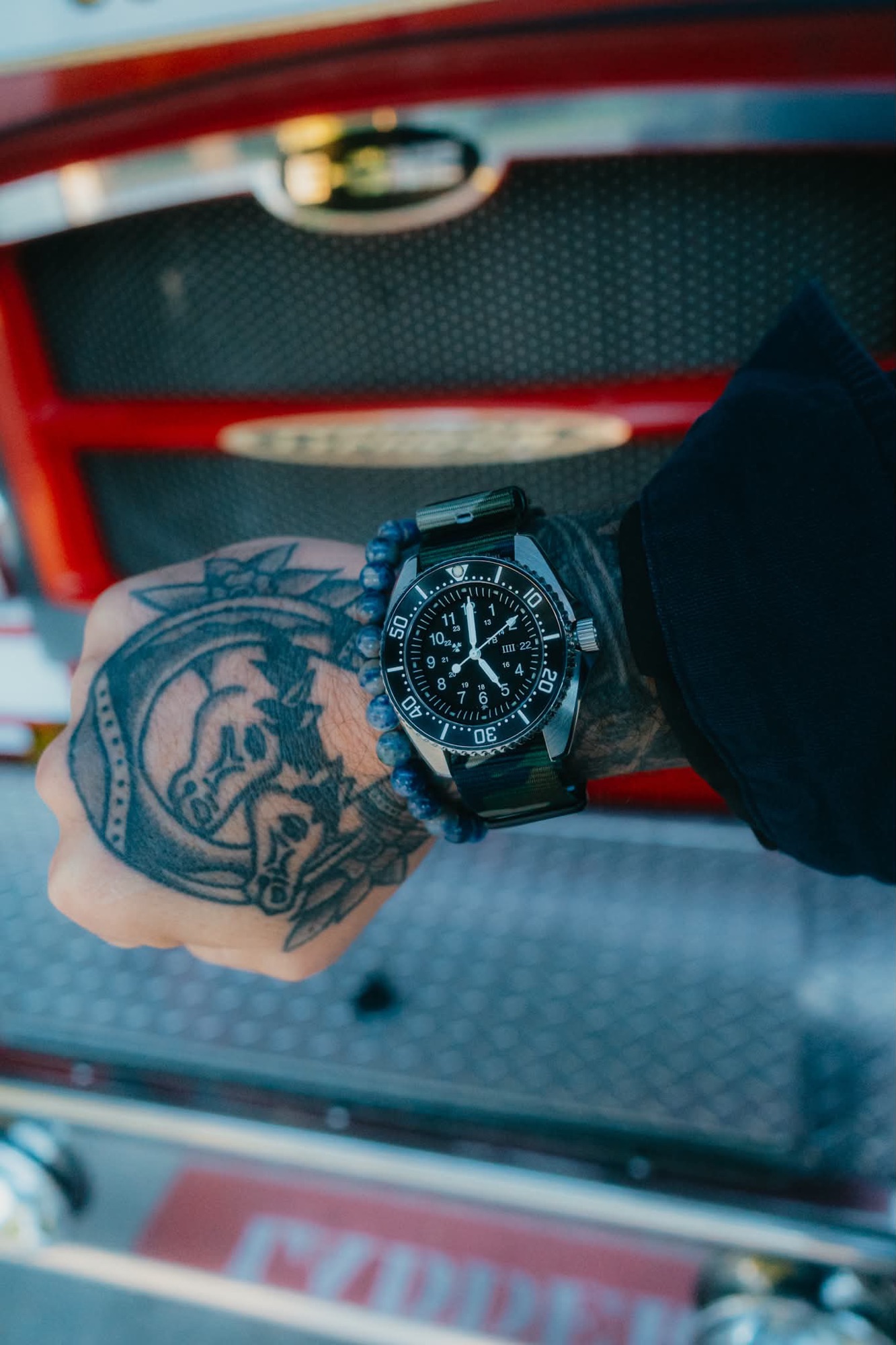
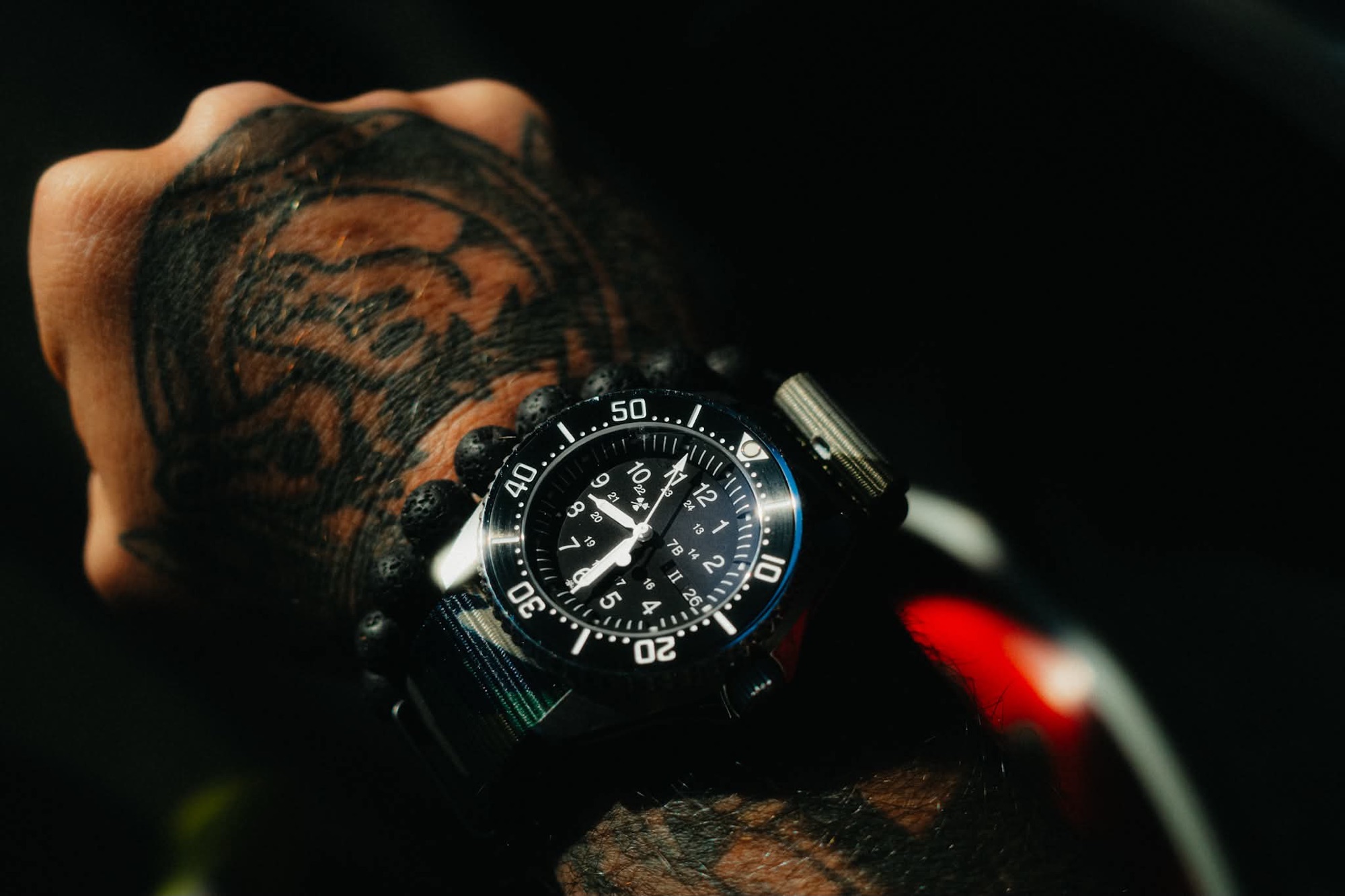
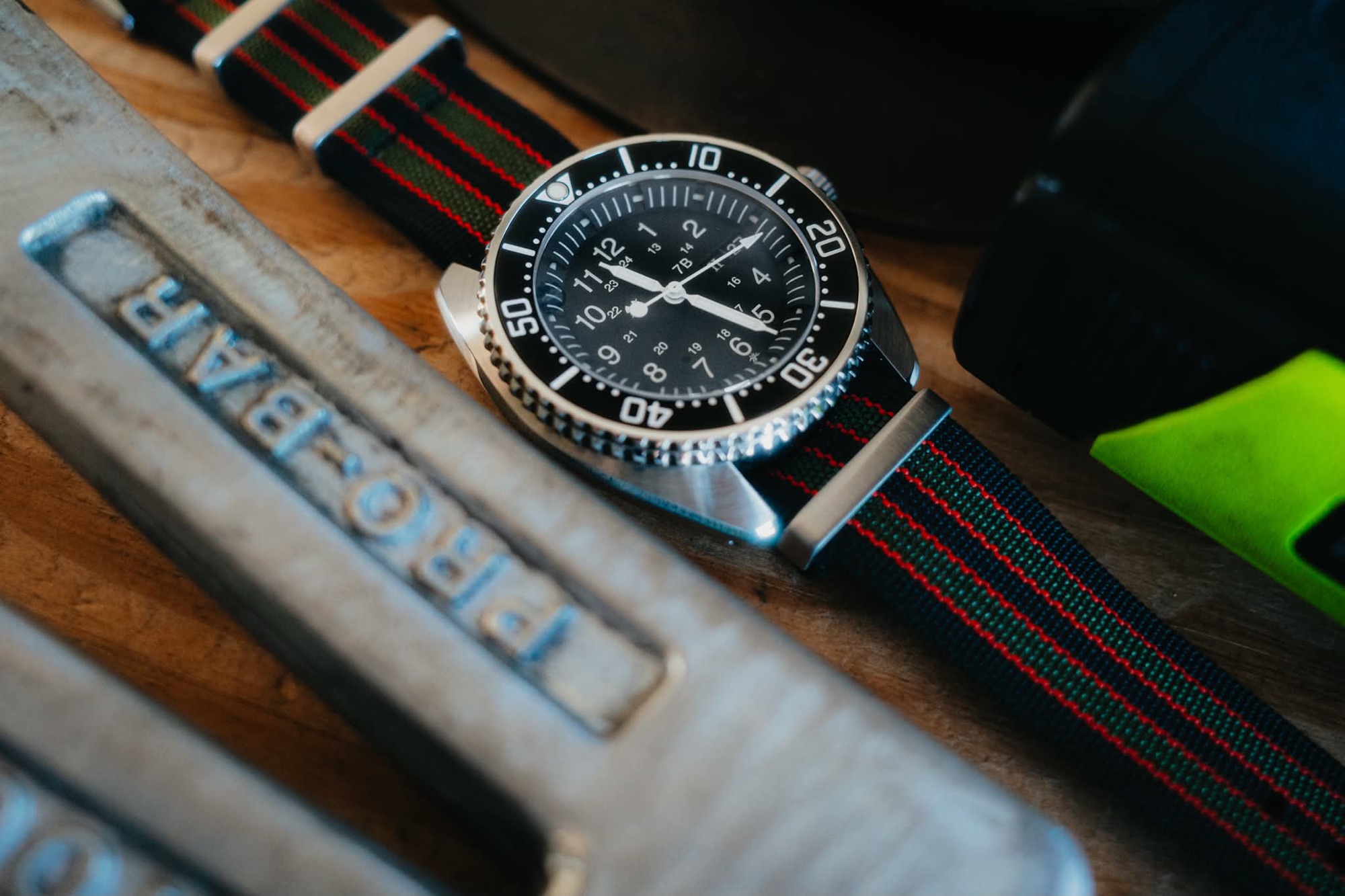
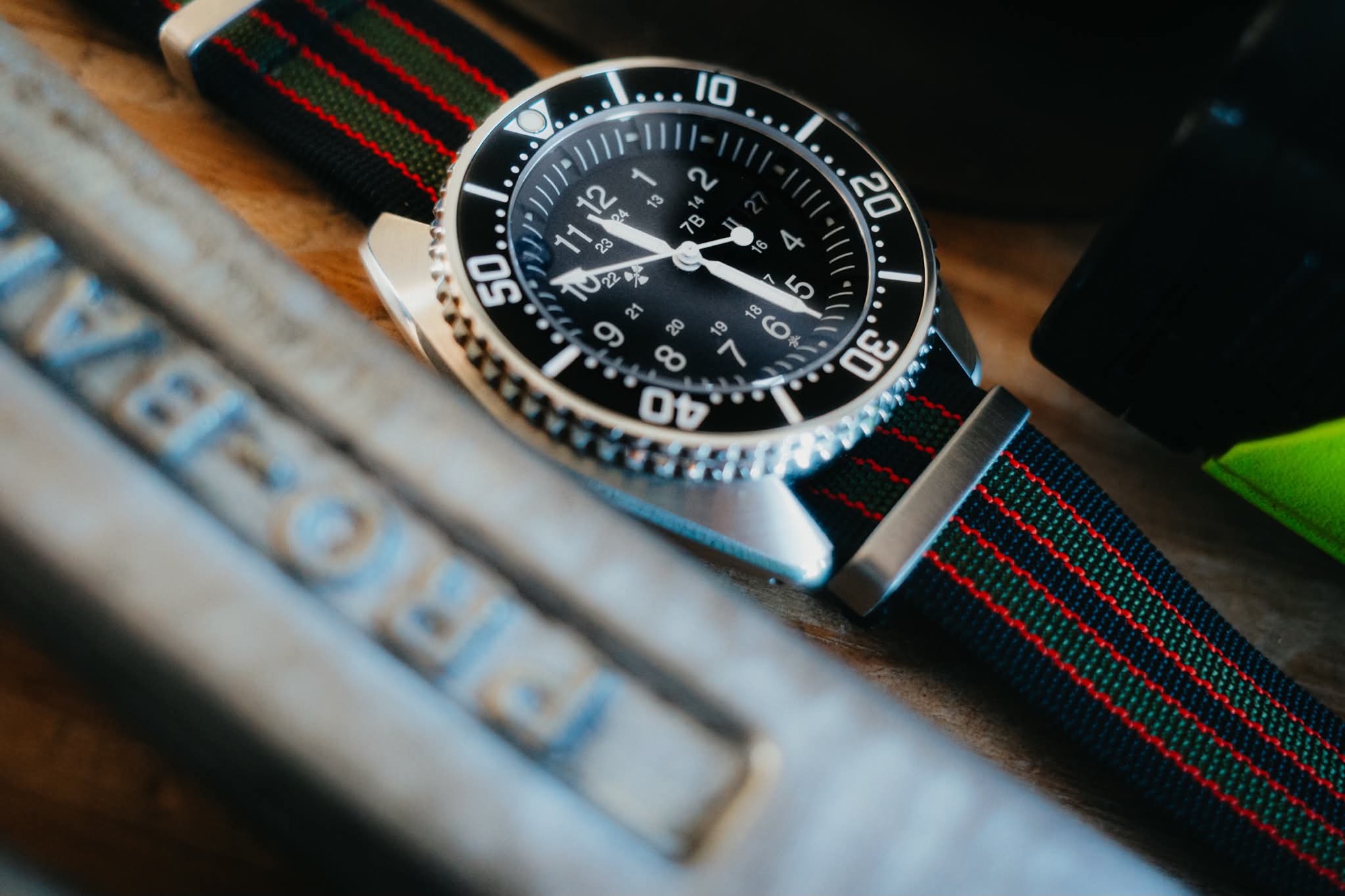
The Blakjak has been on my radar for quite a while. Finding one has been a bit of a struggle because they aren’t readily available, which honestly makes the watch even more fun. I recently made a trade for one and am happy to finally have it in my hands. It comes in at 42mm, 13.2mm thick, 49mm lug-to-lug, with a 22mm lug width, BGW9 lume, and 200 meters of water resistance. At $895, it sits right at the top of our budget.
What makes the Blakjak interesting to me is the thinking behind it. It is designed as a field watch that can handle dive-watch duties, drawing on the practical requirements and design language of military watches, including the MIL-W-46374F era. The project’s backstory refers to an earlier watch that helped inspire the Blakjak, not a claim that this modern model itself was carried in that setting. That’s an important distinction. The value of that history is in understanding the design requirements that influenced the watch we have today.
As we almost always say, the best field watch is a dive watch, and the Blakjak makes a strong case for that idea. You get the straightforward legibility and uncomplicated appearance of a field watch, along with the water resistance and practical design that make a diver so useful. It isn’t trying to look like an oversized piece of tactical equipment. It looks like something you can wear to work, wear outside, or wear to dinner without feeling the need to change it.
There’s something refreshing about a watch that doesn’t need to be flashy to have character. The dial and case have a distinct look, but the overall package stays practical. At 42mm, it has some presence, while the 49mm lug-to-lug keeps the dimensions reasonable for a watch with this kind of capability. The 22mm lug width also opens up plenty of strap options, which matters on a watch you actually intend to use.
At $895, the Blakjak is the most expensive watch here, and I won’t pretend that’s a small amount of money. You’re paying for a particular design, a particular approach to building a watch, and something that is harder to come across than the usual recommendations. For me, the appeal isn’t just a military connection on paper. It’s that the design makes sense on the wrist. If you want one watch that fills the field-watch role without giving up what makes a dive watch useful, the Blakjak deserves a serious look.
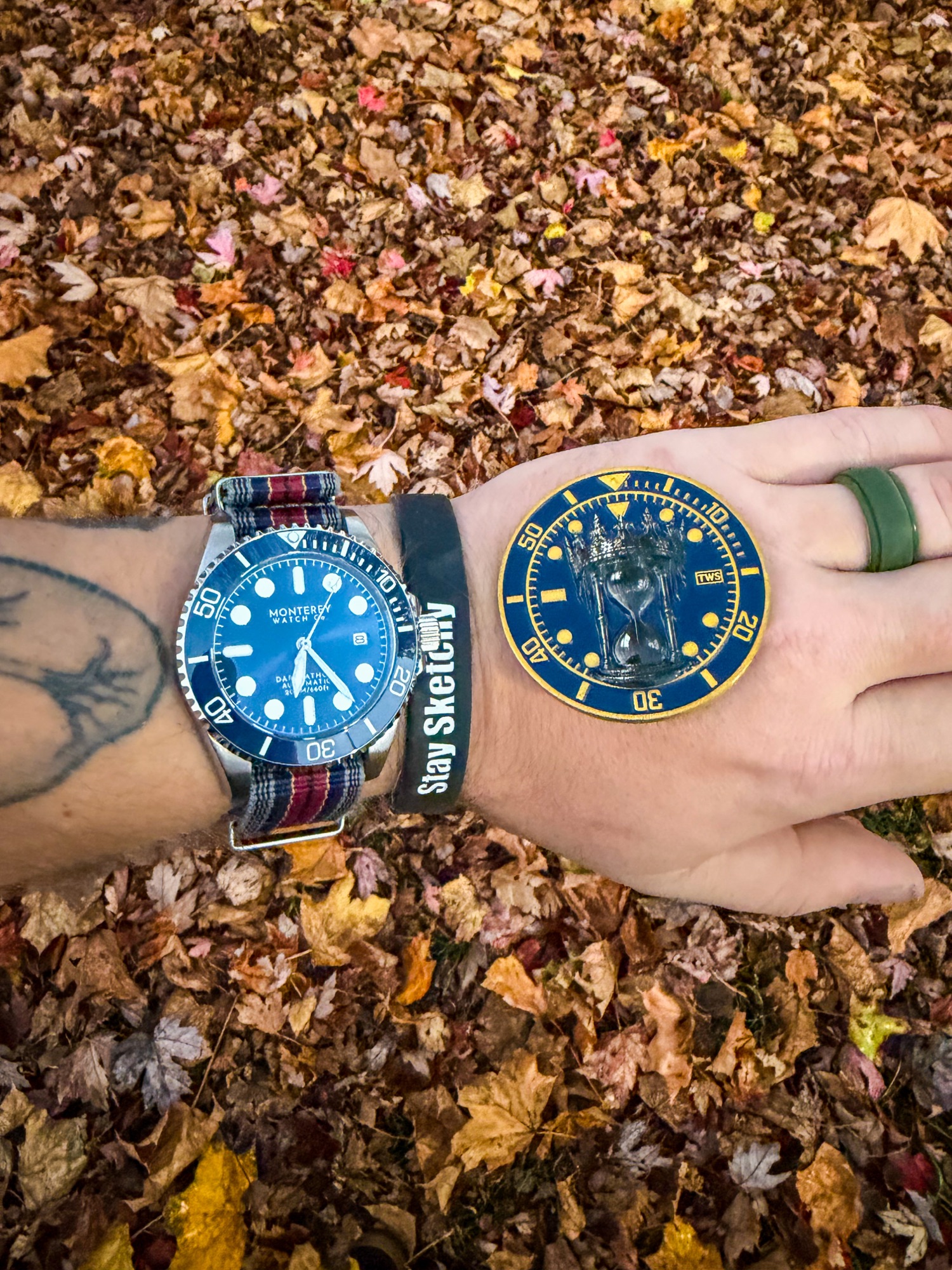
Watch 5 — Monterey Watch Company Darkfathom
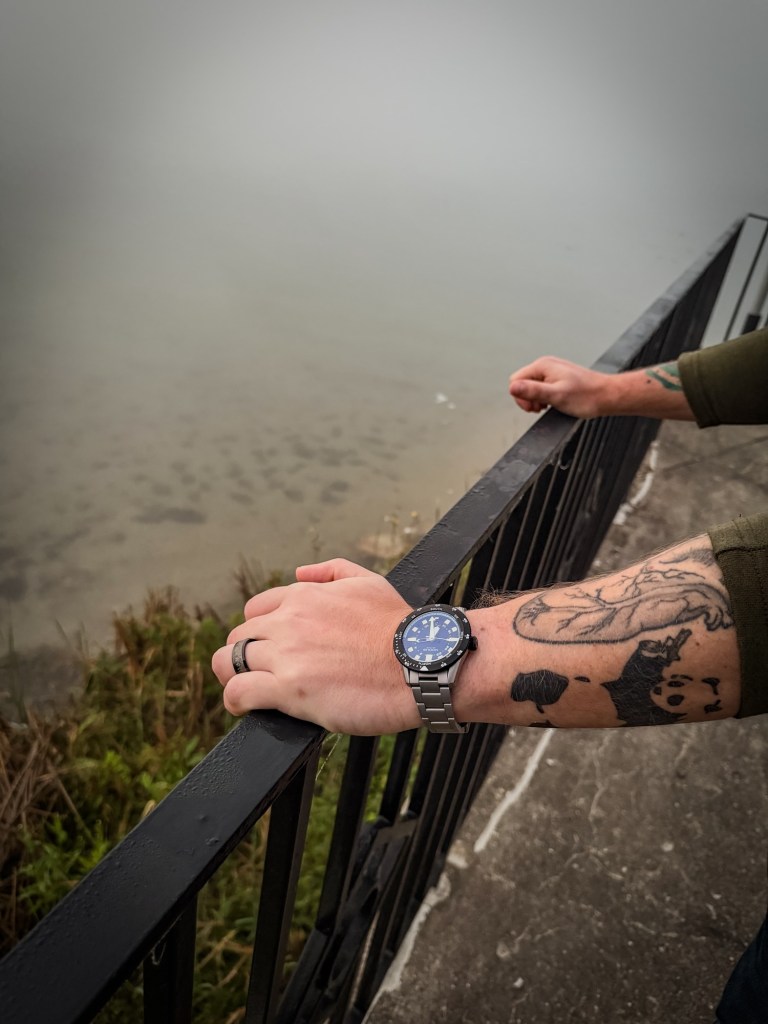
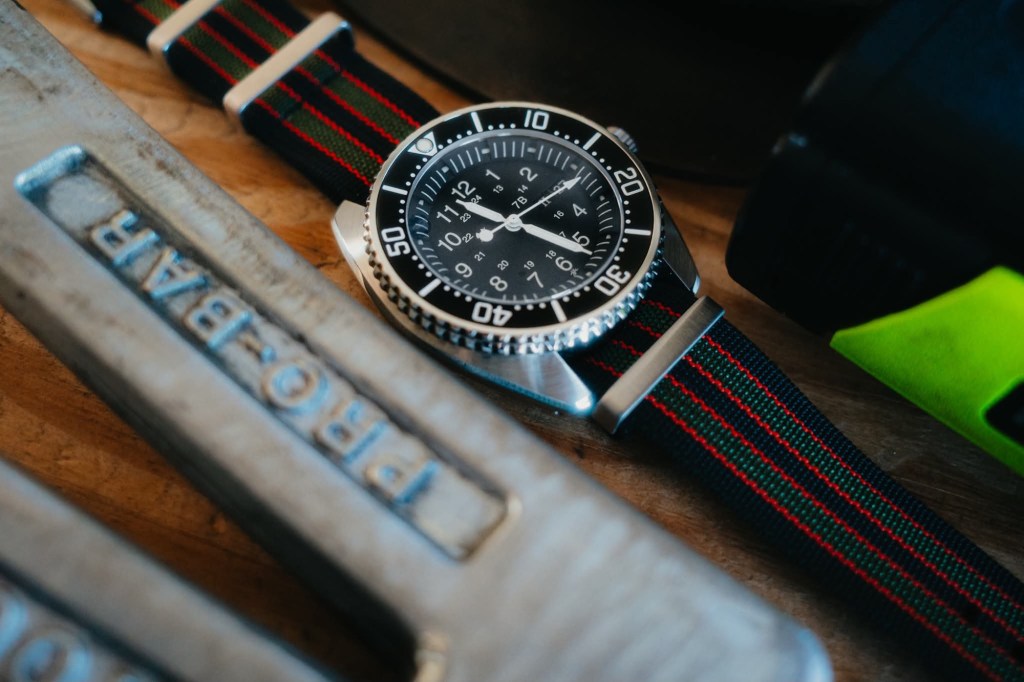
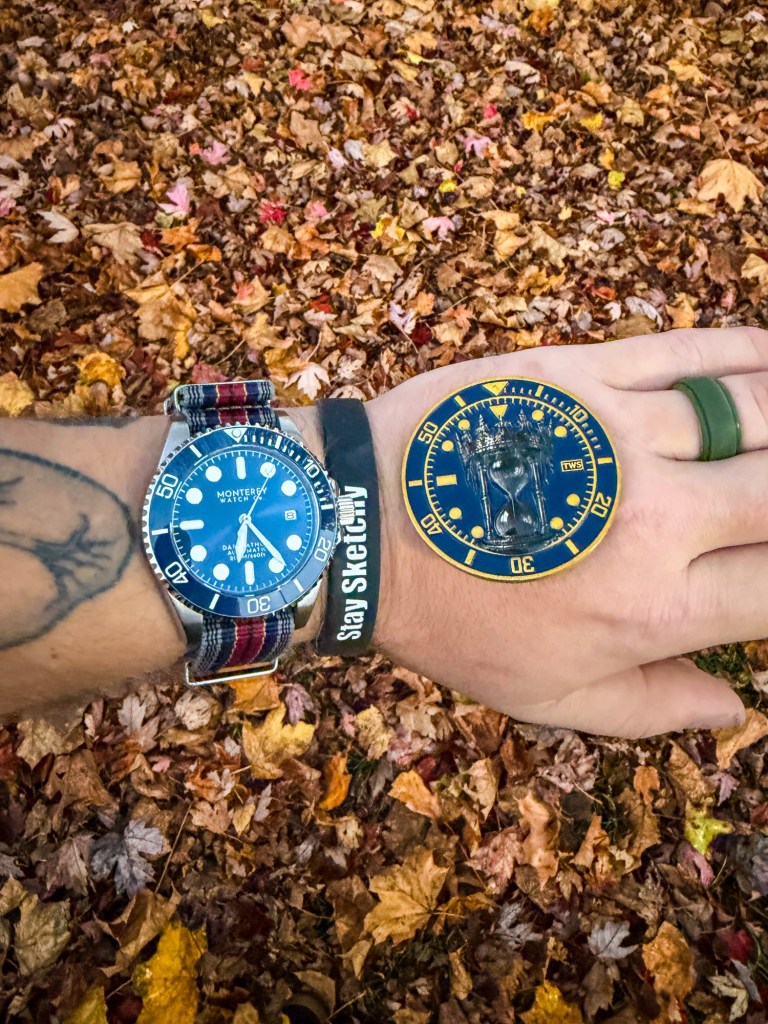
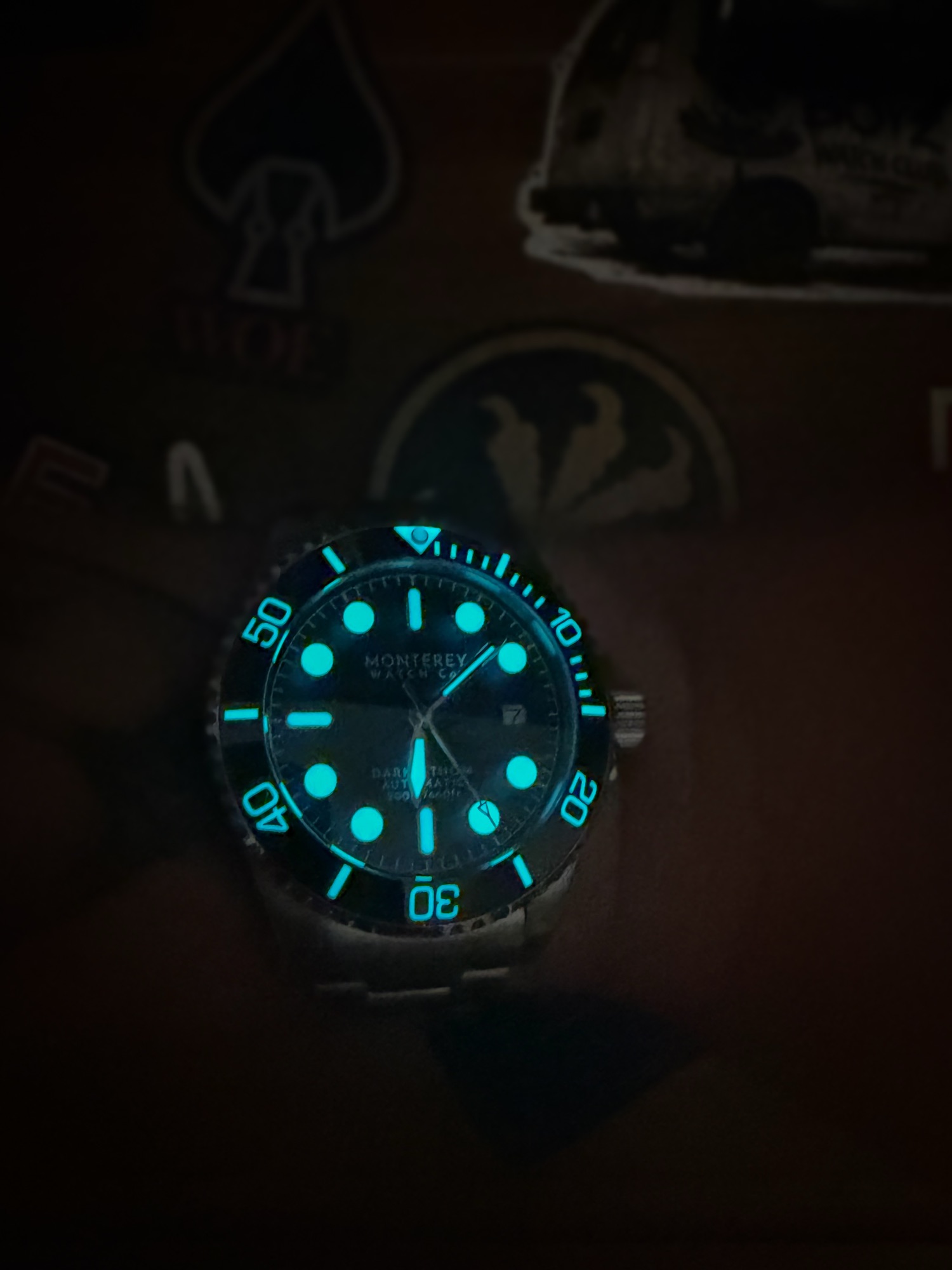
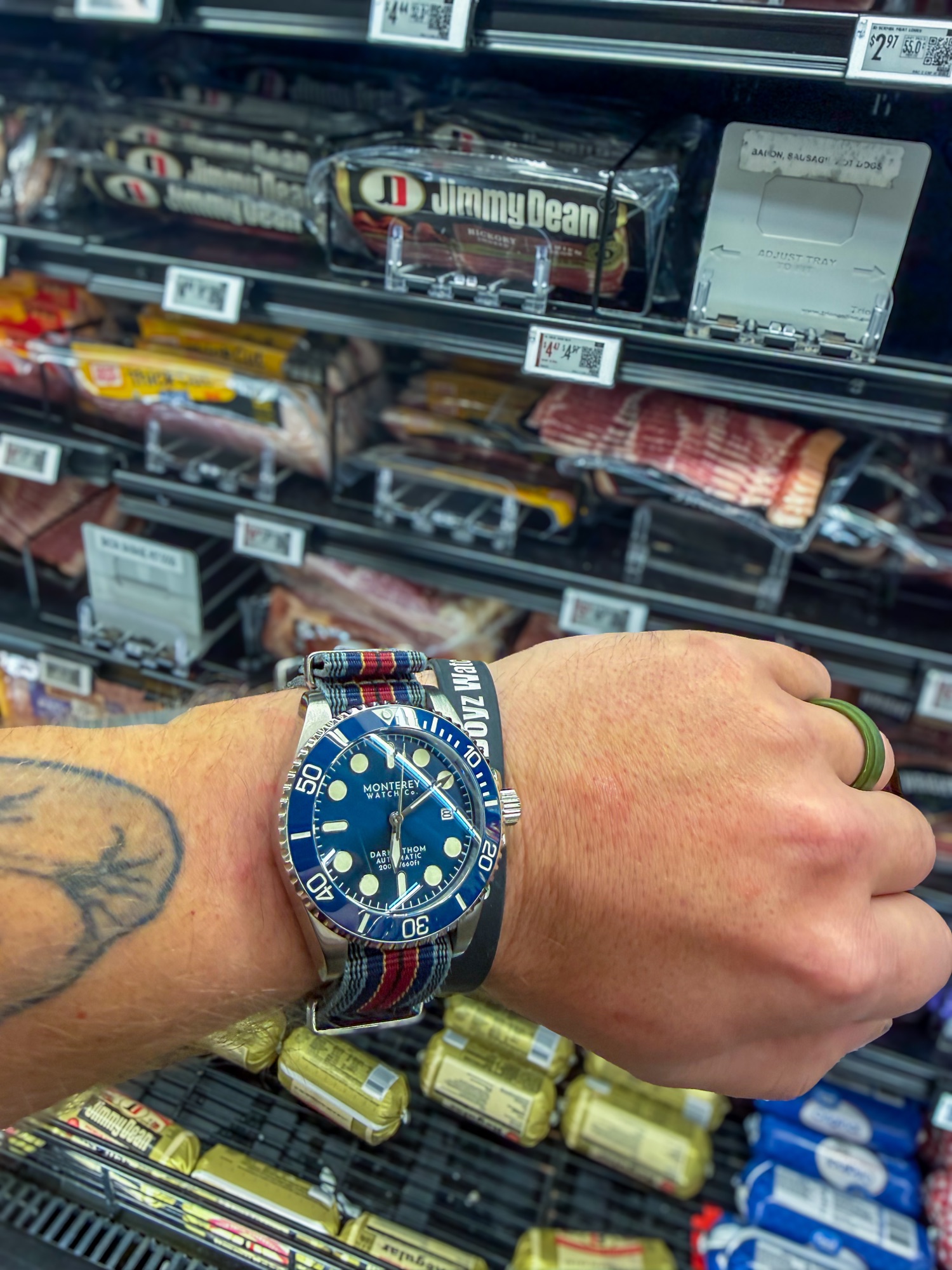
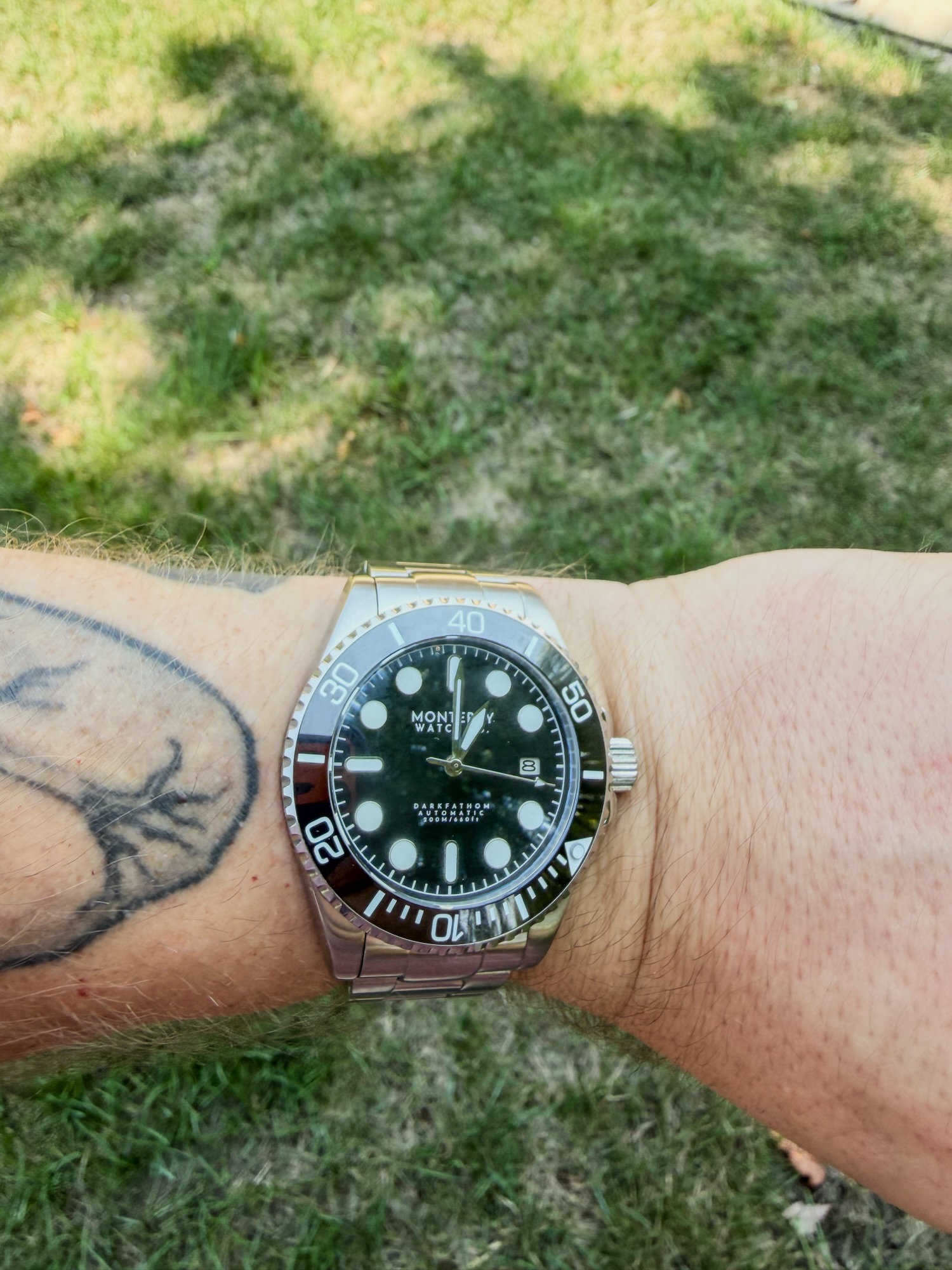
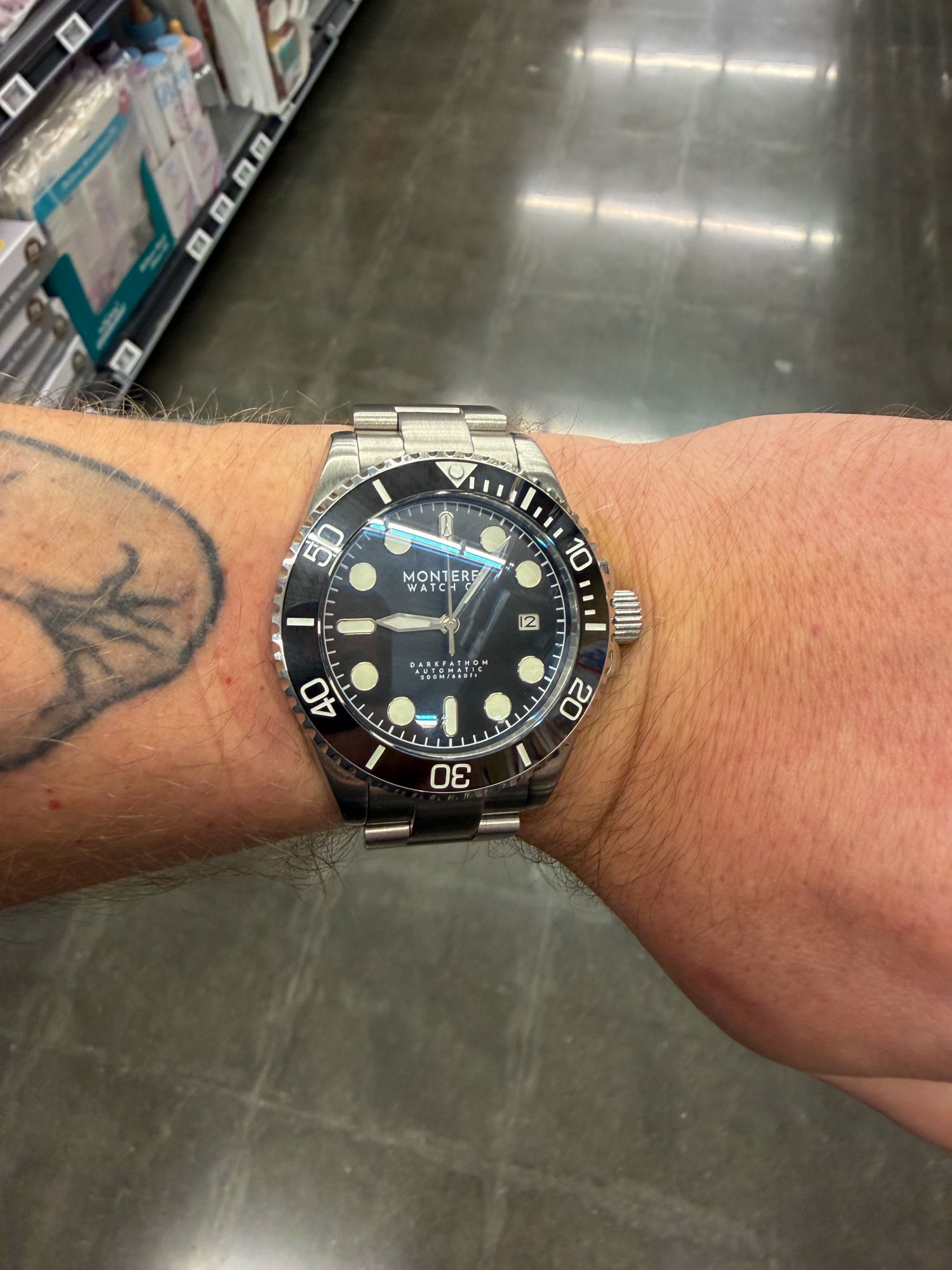
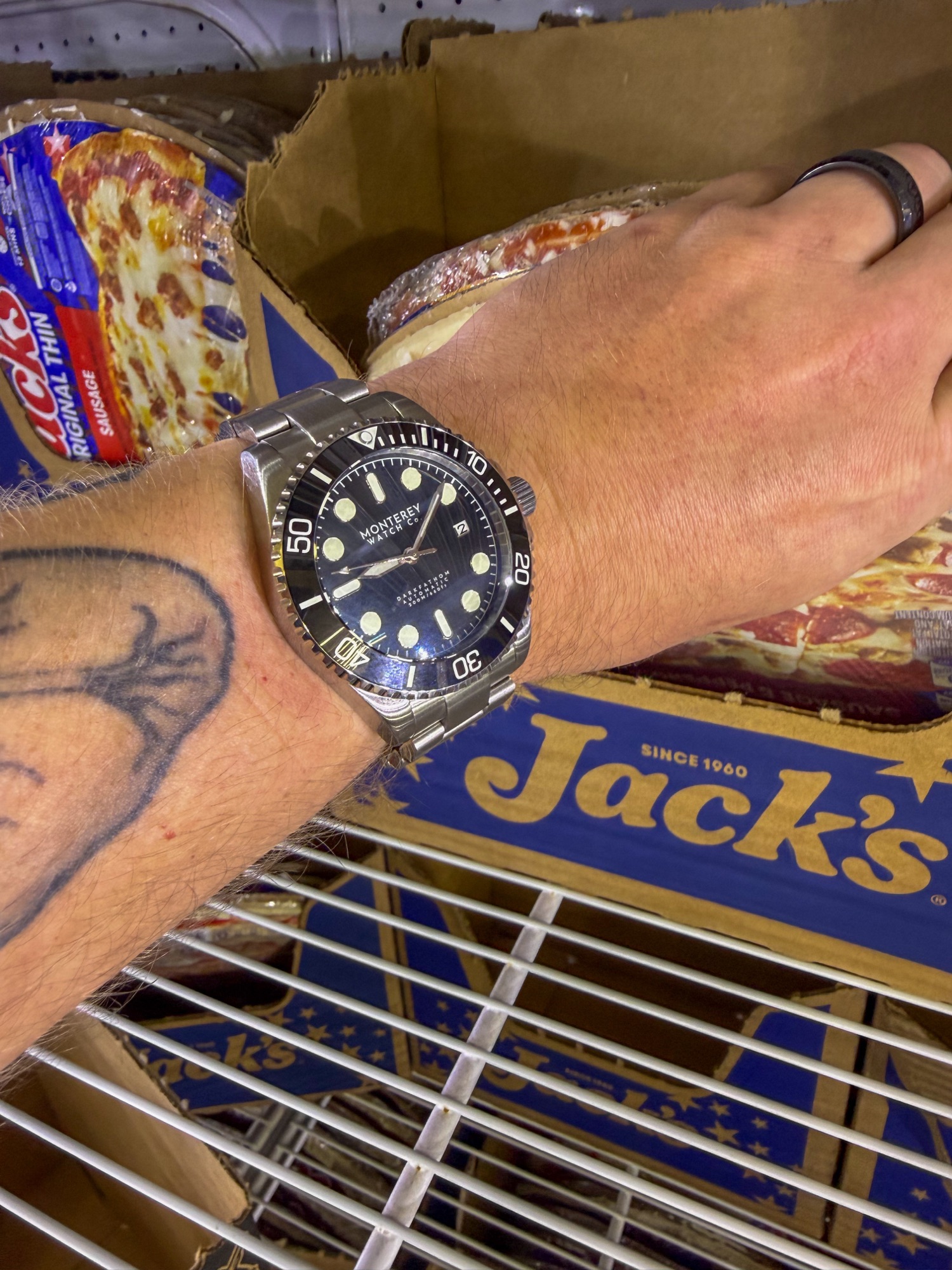
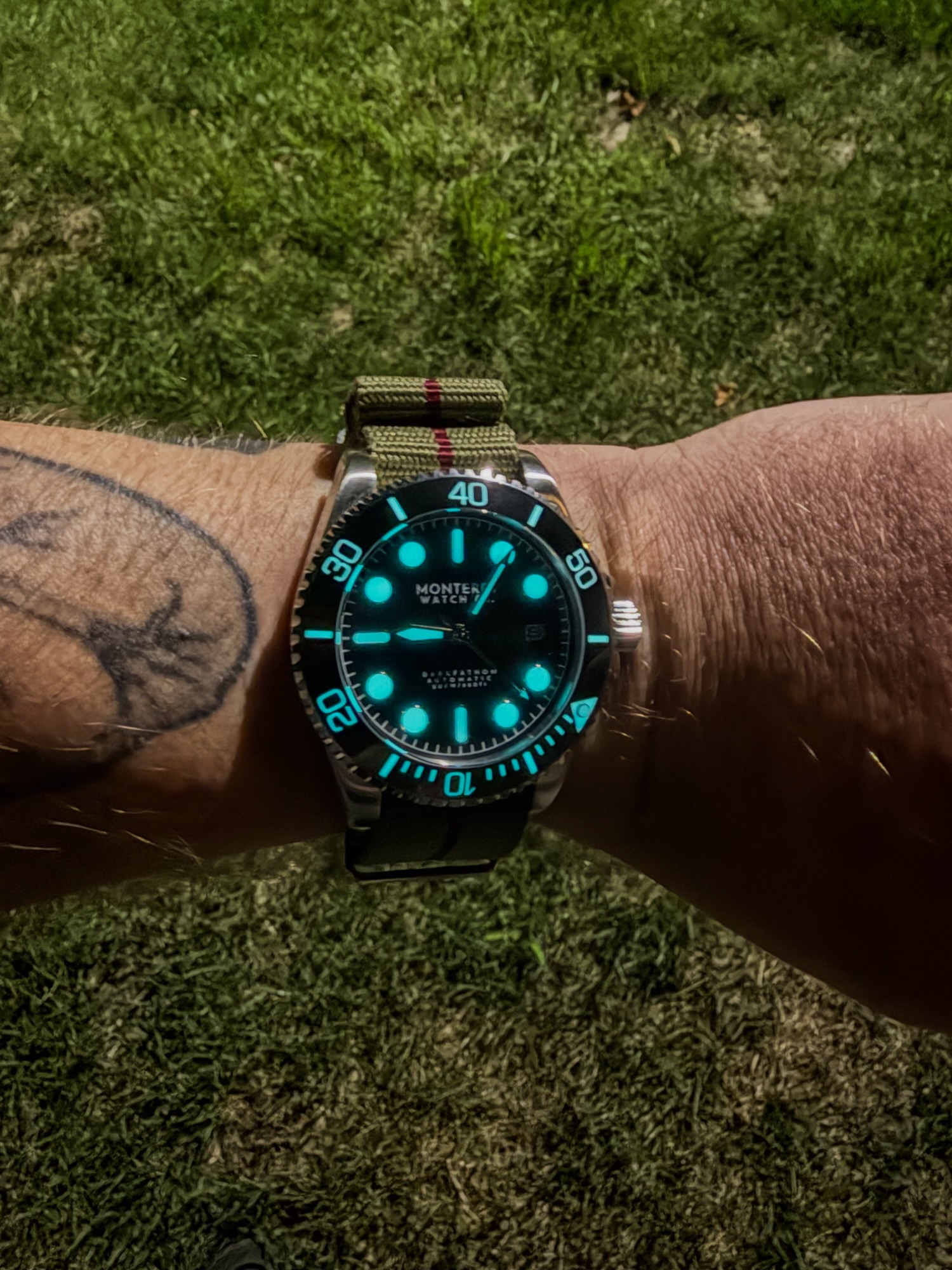
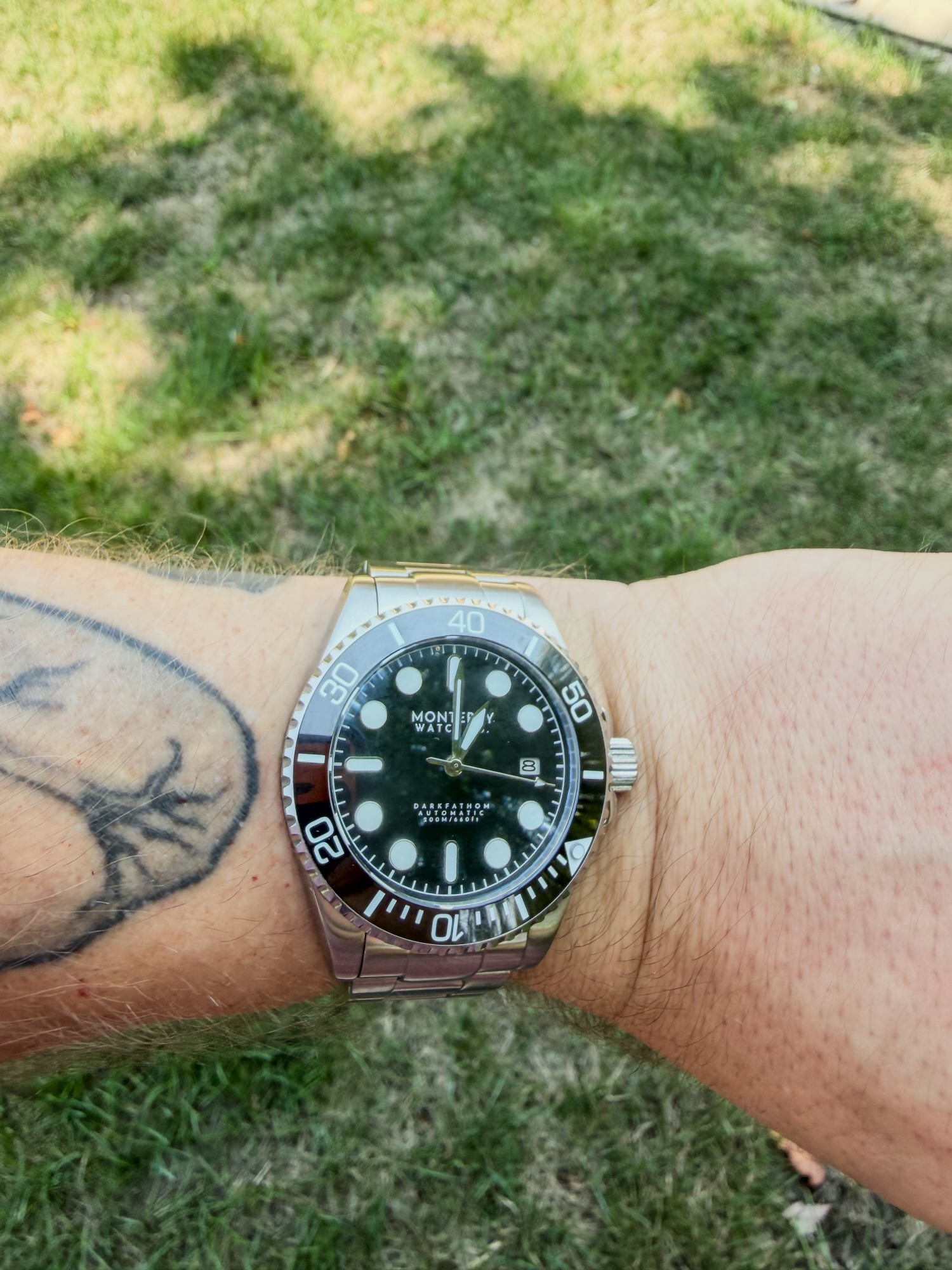
We have written about the Monterey Watch Company Darkfathom a few times this year, and anyone who has followed us for a while knows that we have had a lot of praise for this watch. Out of every watch that has come through the door or spent time on the wrist this year, the Darkfathom honestly rates as our top pick. That is not because it is the most expensive, the most spec-heavy, the most finely finished, or the most innovative watch out there. It is because Monterey has managed to put together a watch that gets so many things right at a price that is incredibly hard to argue with.
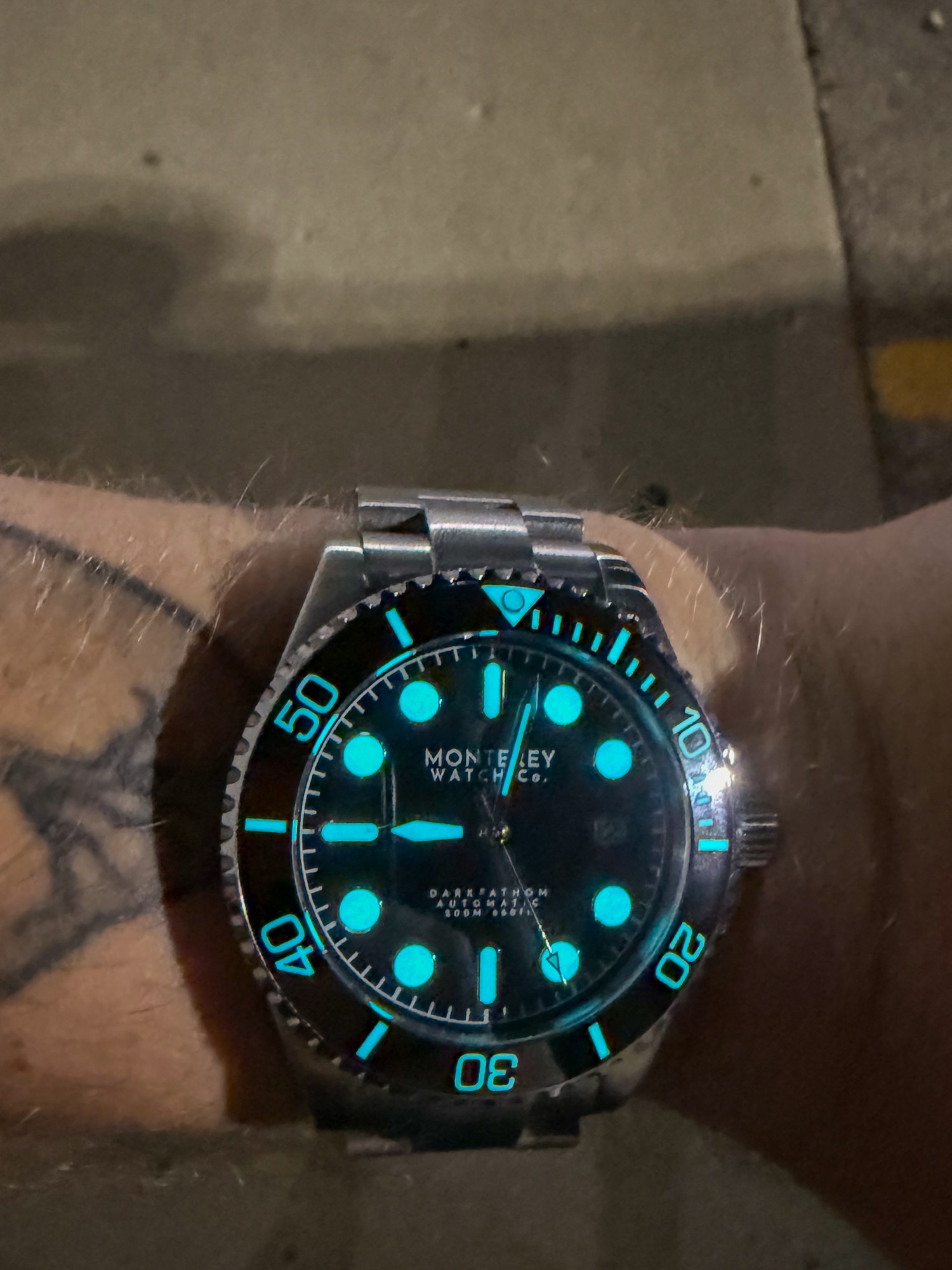
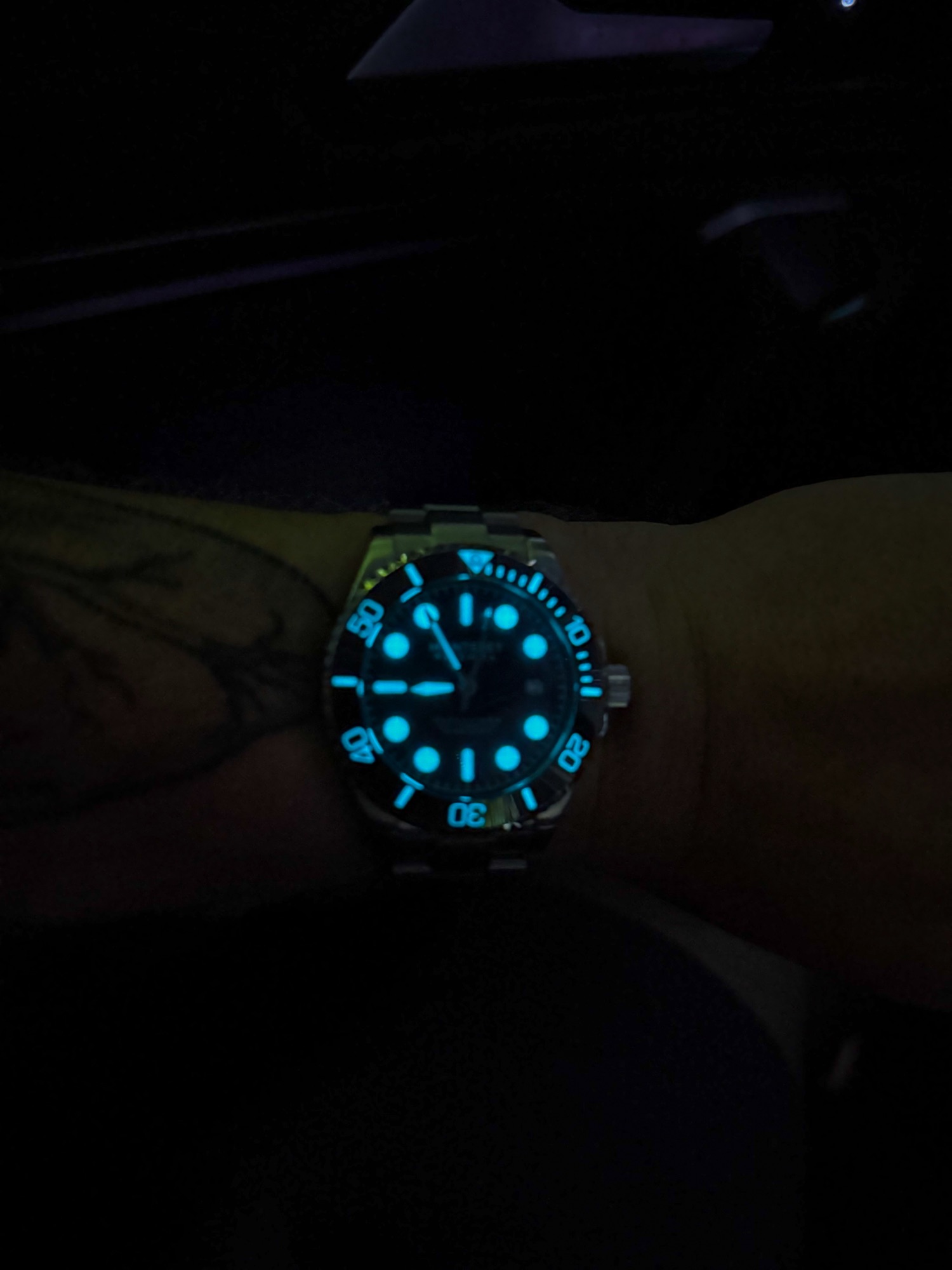
Coming in at $500, the Darkfathom offers a 42mm case, 13.5mm thickness, 49mm lug-to-lug, 20mm lug width, 200 meters of water resistance, sapphire crystal, BGW9 lume, a Miyota 9015 automatic movement, and a ceramic bezel filled with BGW9. On paper, that is already an impressive package for the money. But specifications alone don’t make a great watch. There are plenty of watches out there with impressive specifications that just don’t come together particularly well once you actually put them on your wrist. The Darkfathom is not one of those watches.
One of the things Monterey absolutely nailed is the overall design. The oversized indices give the dial a bold, extremely legible appearance without making it feel cluttered or overdone. The ceramic bezel complements the dial beautifully, and having BGW9 in both creates a watch that is as functional in low light as it is attractive during the day. The entire design has a sleek, clean appearance that gives it a personality of its own. It looks like a proper dive watch without feeling like it is trying too hard to be one. There is just something about the proportions, the dial, and the overall appearance that works exceptionally well.
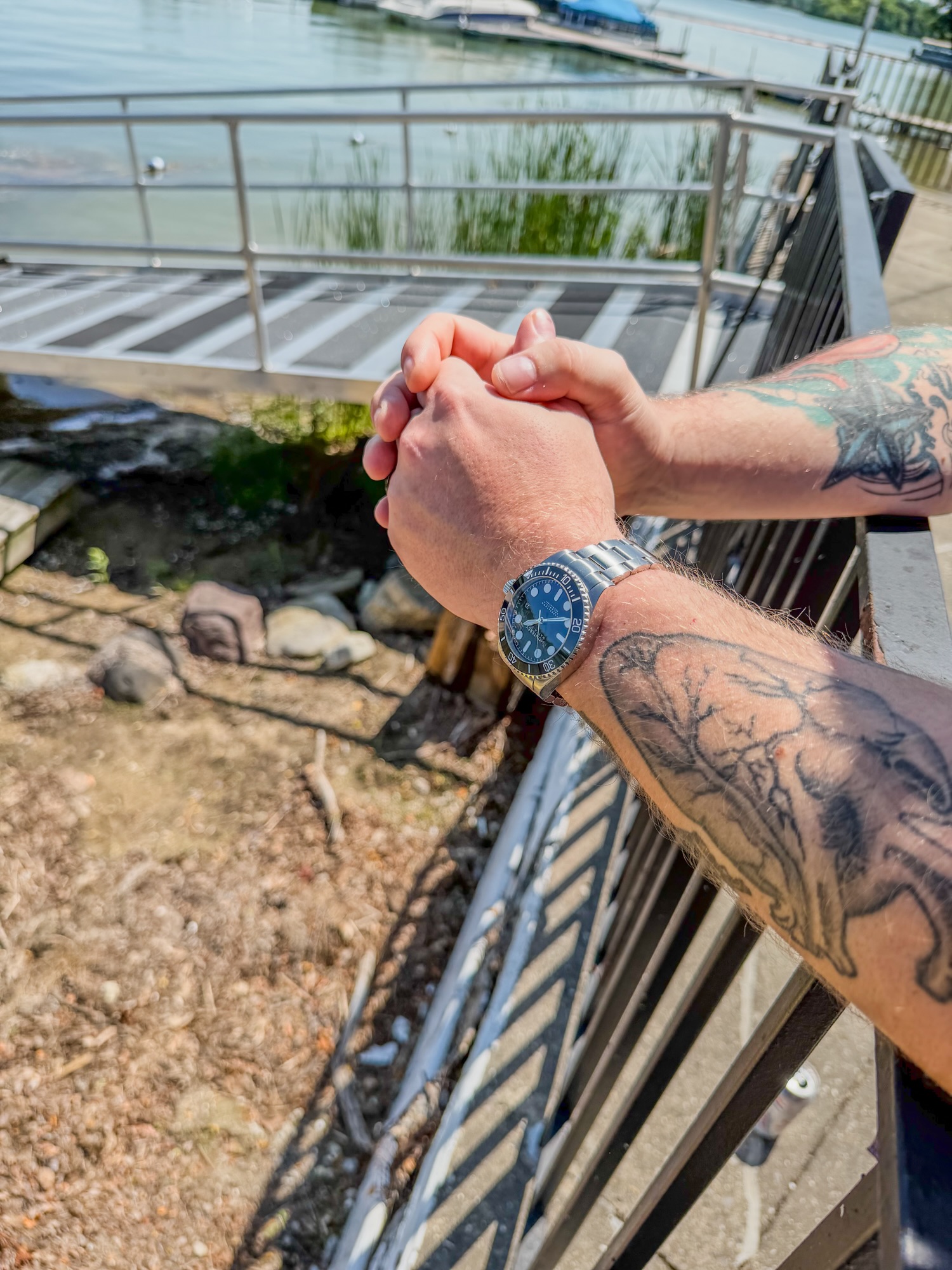
Another area where the Darkfathom shines is how it wears. Looking at the specifications, you might expect a fairly substantial watch, and while it certainly has some presence, it does not feel nearly as large or thick on the wrist as the numbers might suggest. It is comfortable, easy to wear, and doesn’t feel like something you have to constantly be aware of throughout the day. That matters a lot to me. A watch can have all the specifications in the world, but if it isn’t comfortable or enjoyable to wear, those specifications don’t mean much.
Versatility is another reason this watch has become such a favorite. Take it out into the woods, wear it swimming or diving, put it on for a day at work, or wear it out to dinner. It fits into every one of those situations without looking or feeling out of place. It has the capability of a proper dive watch, but the styling is clean enough that it doesn’t look out of place in more ordinary daily situations. That is something I appreciate more and more in a watch. I don’t necessarily want to have to think about whether the watch on my wrist is appropriate for what I am doing that day. With the Darkfathom, I don’t have to.
The Miyota 9015 is another smart choice. It is a proven automatic movement that makes sense in a watch at this price point. Monterey didn’t need to do anything particularly exotic here, and I think that is part of what makes the entire package work. You get a capable movement, excellent water resistance, sapphire crystal, a ceramic bezel, strong lume, and a design that stands on its own. Nothing about the watch feels like it was designed simply to win a specifications contest. Everything works together to make a watch that is genuinely enjoyable to own and wear.
What really separates the Darkfathom from the other watches on this list is how complete it feels. The Tin Can is an incredible value, the Nodus is a fantastic purpose-built tool, the Ratio is a great affordable chronograph, and the Tornek-Rayville brings a very different approach to combining field and dive watch functionality. All four are watches I would happily recommend. But when I look at the entire package and ask myself which one I have enjoyed the most, which one offers the best combination of capability, design, comfort, and price, the answer keeps coming back to the Darkfathom.
At $500, I genuinely struggle to find another watch on the market that beats it as an overall package. That doesn’t mean it is perfect or that everyone is going to agree with me. Watches are personal, and what works for one person may not work for another. But after everything that has come through our hands this year, this is the watch that has impressed us the most. It nails just about every area I could want it to, does it without asking for an unreasonable amount of money, and is a watch I find myself wanting to wear.




Honorable Mentions
Here are some other watches worth considering. Some fit the main list’s criteria but didn’t quite make the cut; a few sit slightly above our price ceiling, and others are models we haven’t personally handled but have heard good things about from sources we trust. We have no problem recommending that you give them a look.
- Brigade Subcommander
- Brigade Pioneer
- Brigade Hurricane
- Smith’s Everest
- Smith’s Commander PRS-60
- Nodus Sector 2
- Nodus Sector Deep
- Erebus Ascent
- Erebus Origin
- Monterey Watch Co Highball
- Monterey Watch Co Coral Cave
- Monterey Watch Co Slipstream
- Zelos (Any of them)
- Traska Commuter
- Traska Freediver
- Tertia Odyssey
- Venezianico Redentore Enigma


Leave a Reply